
-
About UsHebei Runtian Water-Saving Equipment Co., Ltd. is a specialized, modern enterprise that integrates research and development, manufacturing, sales, and engineering installation of plastic irrigation products.

-
ProductsOur main products include: lateral labyrinth drip irrigation tape, inline patch-type drip irrigation tape, inline cylindrical drip irrigation tubing, inter-tube drip irrigation tubing, a wide range of sprinkler and micro-sprinkler accessories, drip arrows, pressure-compensated drippers, turbulent-flow small-tube emitter drip irrigation systems, PE water supply pipes in various models and specifications along with corresponding pipe fittings, PVC underground water conveyance pipes and PVC pipe fittings, filters, fertigation equipment, and other water-saving irrigation products and equipment for greenhouse cultivation, field farming, and micro-drip and micro-sprinkler irrigation.
-
BlogWe look forward to sincere cooperation with you, backed by stable and reliable quality, prompt delivery times, and superior after-sales service.
-
Qualifications
-
Cases
-
Contact Us
Fertigation systems offer greater advantages than traditional irrigation and fertilization.
Release Date:
2022-03-23
Fertigation Units: Many growers are already familiar with fertigation systems, especially those operating greenhouse facilities. The primary function of a fertigation unit is to automate irrigation and fertilization during crop production. By automating these processes, it not only ensures optimal soil moisture and nutrient levels but also maximizes water and fertilizer savings. So, how does a fertigation system differ from traditional irrigation and fertilization methods? Let’s take a look!
Fertigation machine : Many growers are no strangers to integrated fertigation systems, especially those operating greenhouses and polytunnels. The primary function of such systems is to automate irrigation and fertilization during crop production. By automating these processes, they not only ensure optimal soil moisture and nutrient levels but also maximize water and fertilizer savings. So, how does an integrated fertigation system differ from traditional irrigation and fertilization methods? Let’s take a look!
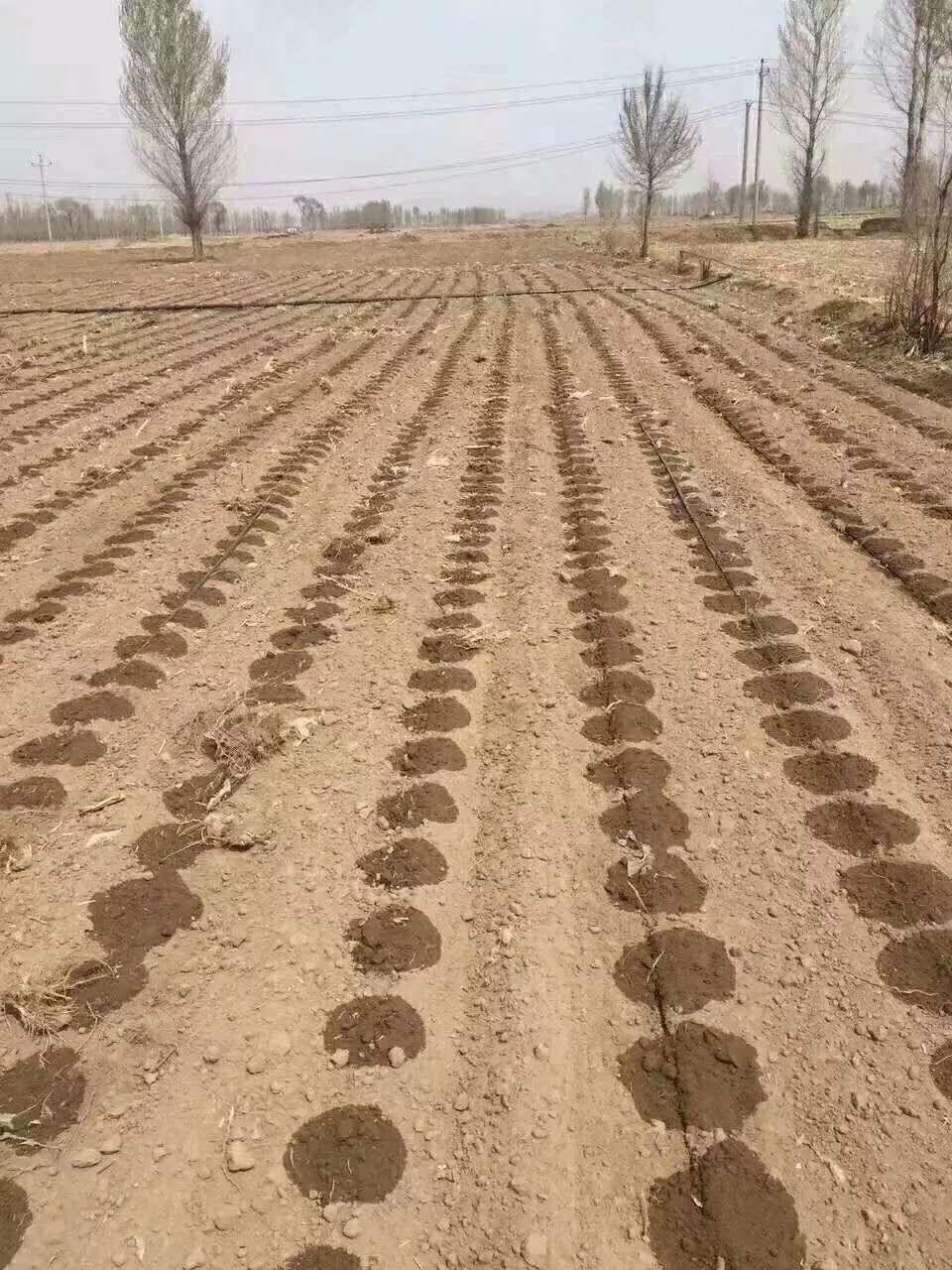
Traditional Irrigation: Conventional agricultural irrigation typically relies on experience or fixed schedules. For example, farmers might simply connect a hose, turn on the pump, and spray water over the fields whenever they sense the soil is dry. Once they feel the watering is sufficient, they shut off the pump, reel in the hose, and call it a day. This approach has numerous drawbacks, such as untimely irrigation and significant water wastage.
Fertigation machine Systematic Irrigation: The smart fertilizer application system controls irrigation based on sensor data. Soil moisture sensors provide real-time monitoring of soil moisture levels; when the measured moisture falls below the set threshold, the system automatically activates the irrigation system to supply water to the crops. Conversely, once the monitored soil moisture reaches the target level, the system automatically shuts off the irrigation. This approach not only ensures timely maintenance of optimal soil moisture but also maximizes water conservation during irrigation.
Traditional fertilization: In fact, traditional fertilization is much the same as traditional irrigation. It relies either on experience or on fixed, predetermined application schedules. As a result, we have no way of knowing whether the soil actually needs fertilizer at all, or when it does—these critical questions remain unanswered. All we do is apply some fertilizer to the soil based on gut feeling, simply because the “right time” has arrived! Fertigation machine Precision Fertilization: The intelligent fertilization system determines fertilizer application based on soil nutrient levels. Soil moisture sensors provide real-time monitoring of nitrogen, phosphorus, and potassium content in the soil. When soil nutrient levels fall below the target threshold, the system automatically activates the fertilization equipment; once nutrient levels reach the desired range, the system automatically shuts off the equipment. Supported by continuous data collection, this approach enhances fertilizer use efficiency and ensures more rational fertilization practices.
We believe that, based on the foregoing introduction, you now have a clear understanding of the differences between integrated water–fertilizer systems and traditional irrigation–fertilization methods. In fact, intelligent fertilization systems have been piloted at numerous large-scale agricultural production bases for many years. According to empirical data, these integrated systems can reduce irrigation water use by more than 60% and chemical fertilizer application by more than 50%. As the agricultural sector continues to evolve, the adoption of integrated water–fertilizer systems is expected to become increasingly widespread.
Hebei Runtian Water-Saving Equipment Co., Ltd. is a manufacturer of drip irrigation tape, drip irrigation tubing, and PE drip irrigation pipe. Its main products include ground-insert micro-sprinklers, automated drip irrigation systems, suspended micro-sprinklers, field drip irrigation, field sprinkler irrigation, fruit-tree drip irrigation, greenhouse drip irrigation, irrigation PE pipe, subsurface drip irrigation, intelligent fertilizer applicators, integrated water-fertilizer machines, and sprinkler irrigation tape. The company is a comprehensive enterprise that integrates research, production, sales, and engineering installation of plastic irrigation products. Adhering to a people-oriented approach and a commitment to innovation, the company has established a new business philosophy centered on promoting water-saving irrigation equipment and technologies tailored to China’s national conditions. It strives to expand both domestic and international markets, enhance its service system, and continuously strengthen and grow its marketing network. We welcome you to visit for consultation and negotiation.
Keywords:
Recommended News
2026-04-08
How should hanging micro-sprinklers be properly installed to ensure optimal irrigation performance?
2026-03-29
How does irrigation technology using suspended micro-sprinklers improve crop water-use efficiency?
2026-03-19
The applications of ground-inserted micro-sprinklers are not limited to agricultural fields.
2026-03-09
How to Select the Right Underground Micro Sprinkler Nozzle to Enhance Irrigation Efficiency
2026-02-27
Share to


Contact Information
Email:1468828465@qq.com
QQ number: 1468828465
Phone:18348888811
Phone:0311-89271615
Website:www.hebeiruntian.com
Factory Address: Dasun Village, Luancheng District, Shijiazhuang City, Hebei Province

WeChat Official Account