2020-06-04

Drip Irrigation Technology for Chinese Yam Cultivation
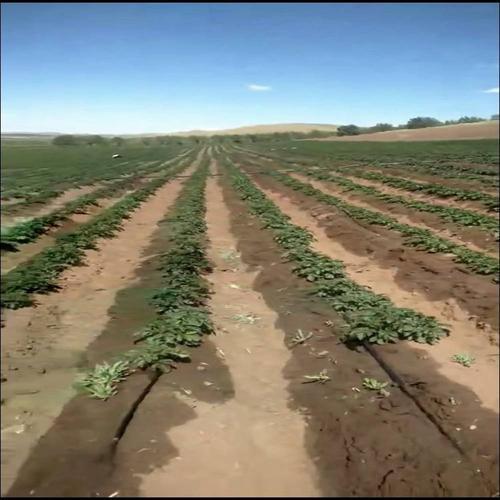
Drip Irrigation Technology for Chinese Yam Cultivation
Mashanyao thrives in fertile, sandy-loam soils. Only under ample sunlight and with adequate moisture can it develop large, uniformly sized tubers with a smooth, delicate skin and a sweet, mellow, and fragrant flavor. Therefore, during the growth phase of Mashanyao, it is essential to supply sufficient nutrients and water.

Learn more

2019-12-27

Management and Application of Subsurface Drip Irrigation
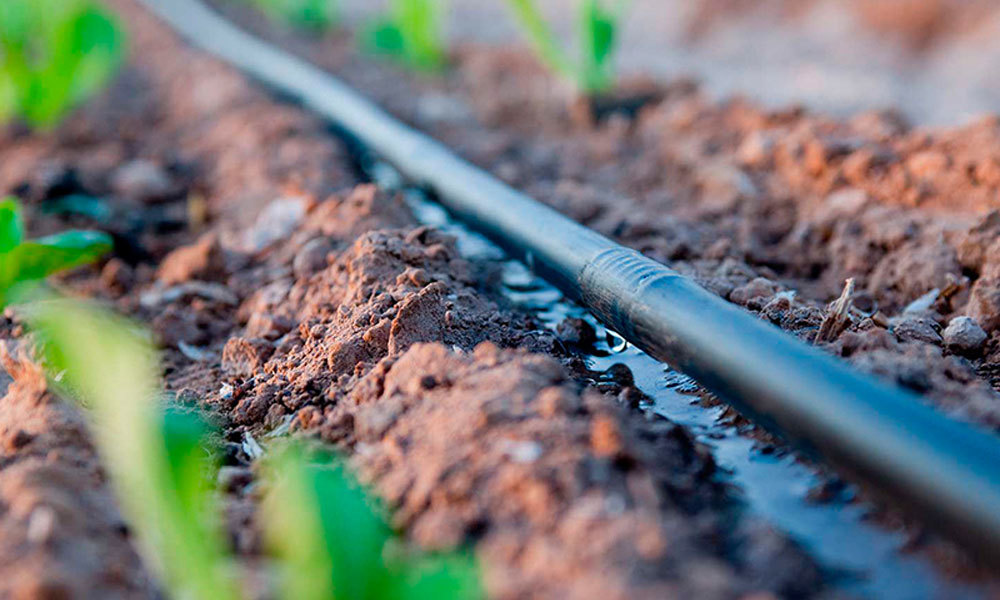
Management and Application of Subsurface Drip Irrigation
(1) Selection of drip irrigation laterals. For row-sown, densely planted crops such as vegetables, the root system has a limited distribution and is highly sensitive to water and nutrient supply, necessitating a high emitter spacing and a greater quantity of laterals. Therefore, using lower-cost drip irrigation tape as the lateral can effectively reduce the overall cost of the drip irrigation system while ensuring reliable operation and convenient installation and use.

Learn more

2019-12-12

Installation and Application of Pressure-Compensating Drip Emitters
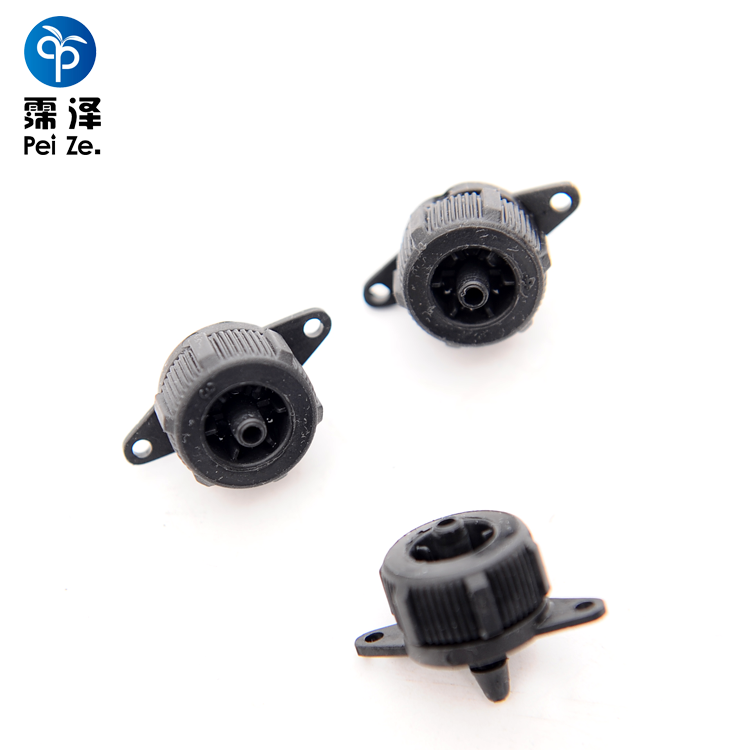
Installation and Application of Pressure-Compensating Drip Emitters
Pressure-compensating drippers are a type of emitter used in water-saving irrigation systems. They maintain stable pressure in the lateral and laterals, thereby ensuring consistent water delivery and uniform irrigation—making them the ideal embodiment of water-saving irrigation performance. So, what kinds of cropping environments are suitable for pressure-compensating drippers? Or perhaps you’re considering upgrading to water-saving irrigation equipment but aren’t sure whether your field conditions are appropriate for using pressure-compensating drippers.

Learn more

Micro-sprinkler Irrigation for Greenhouse Seedling Raising

Let’s begin by discussing the characteristics of micro-sprinkler irrigation: 1. It conserves water—sprinkler irrigation virtually eliminates deep percolation and surface runoff, while delivering water evenly. On average, it can reduce water use by 30% to 50%; in sandy soils with high permeability and poor water-holding capacity, water savings can reach 70% to 80%. 2. Sprinkler irrigation can improve the growing and developmental conditions for edible mushrooms. 3. By integrating a fertilizer-application device into the micro-sprinkler tape system, fertilizers can be delivered directly with the irrigation water, which not only saves fertilizer but also enhances fertilizer efficiency, reduces labor required for fertilization, thereby lowering labor costs and improving the effectiveness of fertilizer application. 4. Each sprinkler irrigation event applies a relatively small volume of water, making it less likely to disrupt soil structure.

20

2019/11

Chili drip irrigation

Chili peppers exhibit semi-drought tolerance under drip irrigation, but this does not mean they can be left unwatered or watered only sparingly. On the contrary, throughout their growth cycle, irrigation should be adjusted promptly in response to changes in developmental stages. During the seedling stage, water application should be carefully controlled; from the setting of the first flower cluster through the peak fruiting period, higher water demand requires frequent irrigation. During the growing season, the order of nutrient uptake is potassium > nitrogen > calcium > magnesium > phosphorus. Once the first flower cluster begins to set and the fruits start to enlarge, nutrient uptake increases rapidly, with nitrogen, potassium, and calcium accounting for approximately 70%–90% of total uptake. Starting from the fruit-expansion stage, magnesium uptake also rises markedly. As soon as August arrives,

02

2019/11

Drip Irrigation Technology for Pitaya

Drip Irrigation Technology for Pitaya: 1. Water Supply: Water is the lifeblood of plant growth and an indispensable component of all physiological processes. In the life cycle of fruit trees, water maintains cell turgor, ensures stomatal opening and carbon dioxide uptake, and enables all biochemical reactions to occur only in the presence of water. Nutrients in the soil can be absorbed and utilized only when they are dissolved in water. More importantly, water is a necessary raw material for photosynthesis and forms the foundation for yield formation. Furthermore, only with adequate water supply can transpiration be sustained, tree temperature be regulated, and the transport of photosynthetic products and mineral nutrients be ensured. Therefore, in fruit tree cultivation…

29

2019/10

Causes of Drip Irrigation Emitter Clogging

The drip emitter is a critical component of drip irrigation and is subject to high operational stress. If the emitter becomes clogged during use, the entire irrigation system will fail to function properly. To address emitter clogging, it is essential first to identify the underlying causes. Below is a detailed overview of the specific factors that lead to emitter blockage, along with commonly used troubleshooting measures. Causes: During installation, the emitter may be inserted too deeply, pressing against the wall of the drip irrigation tubing; alternatively, the absence of a filter or a malfunctioning filter, combined with poor water quality, can easily result in emitter clogging. Solutions: When an emitter becomes clogged…

24

2019/10

Installation and Use of the Integrated Smart Water Meter for Drip Irrigation

Remote control of the intelligent integrated water–fertilizer machine is achieved by installing a mobile app and enabling remote-control functionality on a computer, allowing users to turn the smart fertilizer applicator on or off and initiate irrigation and fertilization for crops anytime, anywhere. The installation procedure for a fully automated fertilization and irrigation system in greenhouses is as follows: The intelligent integrated water–fertilizer machine is typically installed at the outlet of the irrigation system, comprising a water pump, a fertilizer applicator, a filter, a pressure gauge, and other components, and serves to provide pressure, deliver fertilizer, and perform filtration. A timer can be installed at the head of the system for automated control. The water source may include river water, pond water, stream water, reservoir water, or pond water; the water is pressurized by the pump, then passes through the fertilizer applicator and filter before entering

18

2019/10

Precautions for Using Automated Fertilization Machines

⑴ During summer greenhouse sealing, please move the fertilizer applicator outside the greenhouse (taking care to protect it from water and direct sunlight); otherwise, the high temperatures inside the greenhouse will accelerate the aging of electrical components and pipelines, thereby reducing their service life. ⑵ After using the fertilizer applicator in winter, loosen the drain valve on the water pump with a wrench; for the flow meter, simply unscrew the upper and lower union fittings to drain the water. In winter temperatures below zero, it is essential to drain the water completely; otherwise, the pump body may freeze and be damaged. ⑶ This unit operates on a three-phase 380 V power supply, with an operating voltage range of 330 V to 450 V. Do not use the unit if the voltage falls outside this range. The total power consumption of the unit is less than 2.5 kW. When selecting the power cable, ensure it is at least 2.5 square millimeters of national-standard copper wire, and a residual-current device must be installed on the incoming line side. ⑷ According to

10

2019/10

Subsurface Drip Irrigation for Cucumbers

To begin, let’s introduce drip irrigation. Drip irrigation involves the use of a range of advanced drip-irrigation equipment, including drip tapes, drip pipes, and pressure-compensated emitters. For cucumber cultivation, patch-type drip tapes or drip pipes are typically employed. A complete drip-irrigation system comprises four main components: the water source, the headworks, the water-delivery and distribution network, and the end-of-line drip-emitter devices. The water source must be clean; accordingly, filtration equipment is installed as needed. Although drip irrigation is classified as low-pressure irrigation, this does not mean that pressure is unnecessary. Under normal operating conditions, a working pressure of about 0.1 MPa is sufficient; however, prolonged operation at excessively low pressures can readily lead to clogging of the drip-irrigation system.

09

2019/10

Drip Irrigation and Fertilization Technology for Field Crops

Drip irrigation, as one of the irrigation techniques with relatively good water-saving performance, has attracted considerable attention from farmers. In recent years, it has received tremendous emphasis in China and has been promoted on an unprecedented scale, with a rate of development that has far exceeded expectations. Drip irrigation combined with fertilization has also gained widespread favor. Drip irrigation, short for drip-water irrigation, employs a complete system of equipment to deliver irrigation water at low pressure after filtration, transporting it through pipelines to drip emitters. This ensures that the irrigation water is delivered in the form of small droplets, evenly and slowly seeping onto or into the soil near the crop root zone, thereby supplying moisture to the root zone at the right time and in the appropriate amount to consistently maintain an optimal soil moisture condition conducive to crop growth, while the crop plants…

16

2019/09