2022-02-12

Statement on the Change of Legal Representative of Hebei Runtian Water-Saving Equipment Co., Ltd.
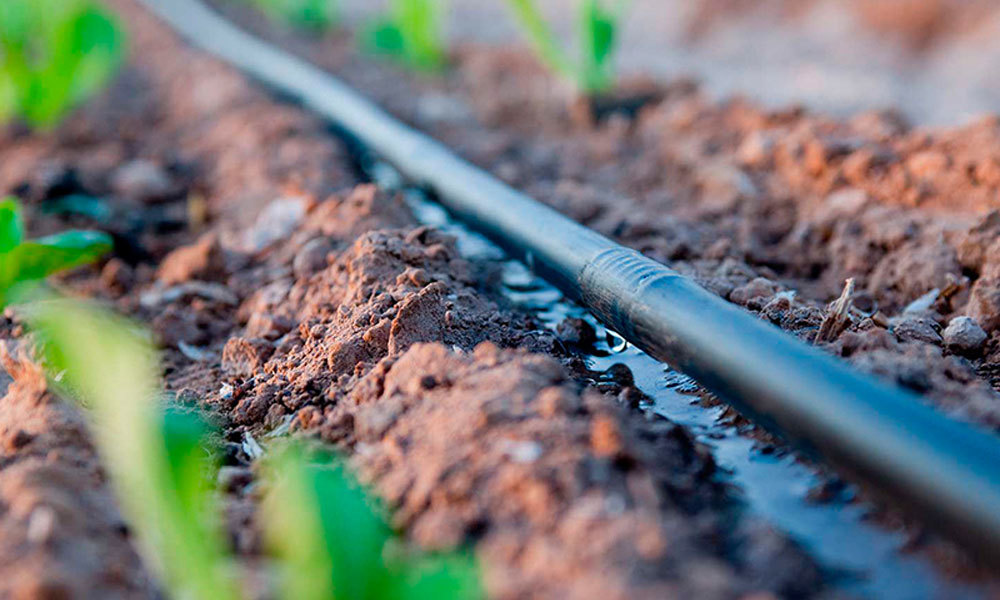
Statement on the Change of Legal Representative of Hebei Runtian Water-Saving Equipment Co., Ltd.

Learn more

2020-06-30

Hebei Runtian Water-Saving Equipment Co., Ltd. Dragon Boat Festival Team-Building Event
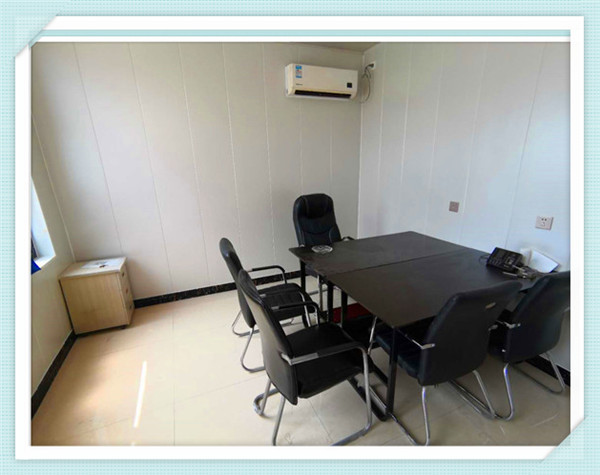
Hebei Runtian Water-Saving Equipment Co., Ltd. Dragon Boat Festival Team-Building Event
Hebei Runtian Water-Saving Equipment Co., Ltd. – Dragon Boat Festival Team-Building Event!!

Learn more

2020-06-20

Online Information Notice from Hebei Runtian Water-Saving Equipment Co., Ltd.

Online Information Notice from Hebei Runtian Water-Saving Equipment Co., Ltd.

Learn more

How to Choose Drip Irrigation Tape

High-quality drip irrigation tape equipment is not only more convenient and efficient during irrigation but also reduces the likelihood of malfunctions over time. So how can you choose the right drip irrigation system? Here, Runtian Water-Saving Equipment would like to share a few key points: First, prioritize brand—after all, a brand embodies a company’s technology, product quality, and reputation. Choosing a reputable brand means choosing a reliable company, high-quality products, and solid credibility. Second, focus on product quality. The importance of quality goes without saying; it is especially worth emphasizing that whether a manufacturer has a robust quality-control system directly affects the consistency and reliability of drip irrigation tape products. In addition, the installation and commissioning of drip irrigation equipment…

07

2019/12

Greenhouse Micro-Sprinkler Irrigation

Drip Micro-Sprinkler Irrigation in Greenhouses 1. The micro-sprinkler system comprises a water source, water supply pump, control valves, filters, fertilizer injectors, delivery pipes, and micro-sprinkler heads. It is recommended to use PE pipes with a diameter of 4–5 mm for the hanging main pipe, 16–20 mm for the branch pipes, and 32 mm for the main trunk pipe, all with a wall thickness of 2 mm. The spacing between micro-sprinkler heads should be 2.8–3 m, with an operating pressure of 0.18 MPa. A single-phase water supply pump (submersible pumps are also suitable) with a flow rate of 8–12 L/h is preferred, ensuring excellent clog resistance and uniform atomization of the spray. During installation, two branch pipes should be spaced 2.6 m apart; expansion bolts are to be fixed along the length of the greenhouse at a height of 2 m above the ground, securing the wire and branch pipes to these bolts.

26

2019/11

Installation and Use of Ground-Inserted Micro Sprinklers

Micro-sprinklers feature a unique rotary mechanism and scientifically designed hydraulic flow channels, enabling the formation of fine, uniform droplets for thorough irrigation of crops. The main types of micro-sprinklers include arc-shaped dual-side-wheel micro-sprinklers, arc-shaped light-mist micro-sprinklers, arc-shaped refractive micro-sprinklers, arc-shaped single-side-wheel micro-sprinklers, square large-rotor micro-sprinklers, and cross-shaped atomizing micro-sprinklers. There are two primary installation methods: ground-inserted micro-sprinklers and inverted (suspended) micro-sprinklers. Application scenarios for micro-sprinklers are as follows: 1. Ground-inserted micro-sprinklers are suitable for sprinkler irrigation of fruit trees, flowers, vegetables, greenhouse facilities, and nurseries; 2. Micro-sprinklers are used in greenhouses, orchards, home gardens, and landscape greening projects.

20

2019/11

Installation of Greenhouse Drip Irrigation Systems

Greenhouse drip irrigation offers numerous advantages, including reduced humidity, increased soil temperature, water conservation, labor savings, high efficiency, and yield increases. However, during operation, drip irrigation systems in greenhouses often experience problems such as emitter damage, clogging of drip holes, uneven water distribution, and low flow rates. To prevent these issues, users should pay attention to the following points: 1. Select appropriate drip irrigation equipment: a. Based on calculations or design specifications, choose a suitable pump; determine the optimal diameter and length of the supply piping through calculation to achieve high uniformity; and use plastic pipe materials with excellent aging resistance for the supply lines. b. Emitters are critical components; select emitters that provide uniform discharge and are resistant to clogging.

24

2019/10

Advantages and Effects of Drip Irrigation

Drip irrigation is an irrigation method in which water is delivered drop by drop, evenly and slowly, directly into the soil near the plant roots. With a low drip rate and slow infiltration, this technique minimizes evaporation losses; when combined with plastic mulch, evaporation can be further reduced. Under drip irrigation, except for the soil immediately beneath the emitters, which remains saturated, the moisture content in other soil zones is generally unsaturated, as water primarily infiltrates and spreads through capillary action. However, if drip irrigation is applied for too long, saturation may occur beneath the root zone. Consequently, modern drip irrigation systems are typically controlled by advanced computerized systems, though manual operation is also possible. Drip irrigation water

09

2019/09

Elements of Scientific Irrigation

The key elements of scientific irrigation are timeliness, adequacy, reliability, effectiveness, and uniformity. Scientific irrigation is a crucial guarantee for stable and high crop yields, thereby achieving the dual goals of water conservation and increased production, promoting agricultural development, and enhancing farmers’ economic income. 1. Irrigation timeliness refers to the promptness with which the irrigation system delivers and distributes water; providing crops with water at the right time is an essential prerequisite for increasing both yield and income, as well as one of the important measures for conserving water resources. When crops require irrigation, the pipeline system must deliver irrigation water to the fields in a timely manner to meet their water needs. 2. Irrigation adequacy means that the irrigation system can supply an appropriate amount of water when crops are in need,

09

2019/09

Principles and Operation of the Intelligent Integrated Water-Fertilizer Machine

Integrated water–fertilizer technology leverages water-saving irrigation systems to deliver fertilizer solutions—prepared by intelligent fertigation units—directly to the root zone of crops via the irrigation water. This approach achieves integrated utilization and management of water and nutrients, ensuring that water and fertilizers are delivered in an optimized combination directly to the soil around crop roots, where they can be efficiently absorbed and utilized. Intelligent integrated water–fertilizer systems build upon basic integrated irrigation setups by incorporating computer-based technologies to monitor, adjust, and supply water and fertilizer in real time according to the specific water and nutrient requirements of different crops, as well as local soil conditions and nutrient status. This enables precise control over irrigation volume, fertilizer application rates, and timing, making it a cutting-edge modern agricultural technique.

18

2019/07