-
About UsHebei Runtian Water-Saving Equipment Co., Ltd. is a specialized, modern enterprise that integrates research and development, manufacturing, sales, and engineering installation of plastic irrigation products.

-
ProductsOur main products include: lateral labyrinth drip irrigation tape, inline patch-type drip irrigation tape, inline cylindrical drip irrigation tubing, inter-tube drip irrigation tubing, a wide range of sprinkler and micro-sprinkler accessories, drip arrows, pressure-compensated drippers, turbulent-flow small-tube emitter drip irrigation systems, PE water supply pipes in various models and specifications along with corresponding pipe fittings, PVC underground water conveyance pipes and PVC pipe fittings, filters, fertigation equipment, and other water-saving irrigation products and equipment for greenhouse cultivation, field farming, and micro-drip and micro-sprinkler irrigation.
-
BlogWe look forward to sincere cooperation with you, backed by stable and reliable quality, prompt delivery times, and superior after-sales service.
-
Qualifications
-
Cases
-
Contact Us
What are the advantages of drip irrigation in greenhouses?
Release Date:
2022-02-06
Greenhouse Drip Irrigation: Greenhouse cultivation is a common farming method; however, unlike field cultivation, it requires timely irrigation and is subject to greater temperature fluctuations. Manual irrigation, on the other hand, is labor-intensive and often results in uneven water distribution. To boost yields in greenhouse production, many growers have adopted greenhouse drip irrigation. Today, let’s explore this technology together with our editor.
Greenhouse drip irrigation: Greenhouse cultivation is a common farming method; however, unlike field cultivation, it requires timely irrigation and experiences greater temperature fluctuations. Manual irrigation, on the other hand, is labor-intensive and often results in uneven water distribution. To boost yields in greenhouse production, many growers have adopted drip irrigation systems for greenhouses. Today, let’s explore this drip-irrigation technology together.
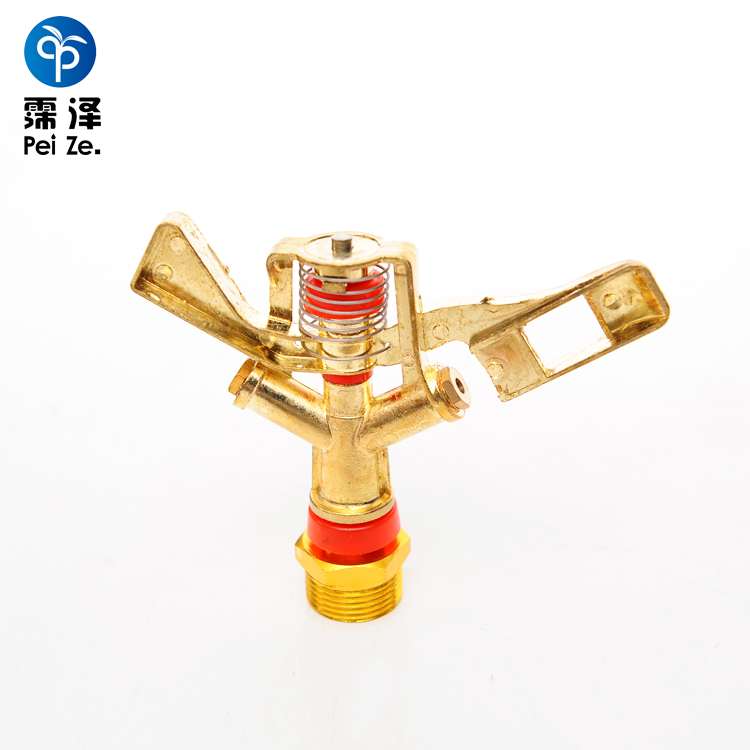
1. Simple drip irrigation: First, construct a water storage tank inside the greenhouse with a capacity of 3–5 cubic meters and a height of 1–3 meters. Install a gate valve and a water meter at the outlet of the tank, and connect the tank outlet to the greenhouse using a 38-mm plastic pipe serving as the capillary tube. There are two arrangements for the branch lines and capillary tubes:
2. Lay the capillary tubes along the length of the greenhouse. At the greenhouse entrance, install a 25-mm plastic branch pipe perpendicular to the capillary tubes and equip the branch pipe with a gate valve. Inside the greenhouse, run a 15–20-mm-diameter plastic pipe parallel to the capillary tubes and perpendicular to the branch pipes, spacing each pipe 1 meter apart; extend each of these pipes for the full length of the greenhouse. Attach 35-cm-long plastic tubing with 1.0–1.3-mm-diameter holes to the walls of these main pipes to create a simple drip-irrigation network. Cover the capillary tubes with plastic film, and plant vegetables between the film strips. This arrangement is easy to operate and manage.
3. Install capillary tubes along the span of the greenhouse. Use several porous plastic capillary tubes, each four times the length of the greenhouse span; connect their upstream ends to branch pipes on the greenhouse sidewalls, and lay the four channels in parallel curves along the span. Cover the tubes with plastic film, and grow vegetables between the films. This drip-irrigation arrangement in the greenhouse ensures that the vegetables receive sufficient sunlight, which promotes their growth and development.
Advantages of Drip Irrigation in Greenhouses
1. Conserve water. Trials have shown that simple drip irrigation achieves an utilization rate of 95%–98%, saving 45% more water than sprinkler irrigation and 60% more than surface irrigation.
2. Low cost—only one-third of the investment required for vegetable micro-sprinkler irrigation technology.
3. Reducing disease incidence. The outlet capillaries of simple drip irrigation systems can be placed beneath plastic mulch, effectively suppressing gray mold and leaf black spot in vegetables.
4. Reduced fertilizer use. All fertilizers applied to vegetables are placed in the reservoir and delivered to the rhizosphere via drip irrigation, thereby minimizing fertilizer loss, leaching, and volatilization.
5. Control temperature and humidity
In traditional furrow-irrigated greenhouses, each irrigation application delivers a large volume of water, keeping the soil surface continuously moist. This not only causes rapid declines in both air and soil temperatures, with slow subsequent recovery, but also increases evaporation, leading to excessively high indoor humidity and creating favorable conditions for the occurrence of vegetable and flower diseases and pests. By contrast, drip irrigation is a form of localized micro-irrigation that keeps most of the soil surface dry while delivering water uniformly and slowly directly to the root zone through drip emitters, thereby effectively maintaining and raising soil moisture, reducing water evaporation, and controlling indoor humidity. Subsurface drip irrigation—where drip irrigation tubing (or tape) is laid beneath plastic mulch—yields even better results. In addition, Greenhouse drip irrigation Due to its convenient operation, small discharge orifices, low flow velocity, long irrigation duration per application, and minimal fluctuations in soil moisture, high-frequency irrigation can be implemented, thereby enabling long-term maintenance of root-zone soil moisture at levels optimal for the growth of vegetables, flowers, and other crops.
Hebei Runtian Water-Saving Equipment Co., Ltd. is a manufacturer of drip irrigation tape, drip irrigation tubing, and PE drip irrigation pipe. Its main products include ground-insert micro-sprinklers, automated drip irrigation systems, suspended micro-sprinklers, field drip irrigation, field sprinkler irrigation, fruit-tree drip irrigation, greenhouse drip irrigation, irrigation PE pipe, subsurface drip irrigation, intelligent fertilizer applicators, integrated water–fertilizer machines, and sprinkler irrigation tape. The company is a comprehensive enterprise that integrates research, production, sales, and engineering installation of plastic irrigation products. Adhering to a people-oriented approach and a commitment to continuous innovation, the company has established a new business philosophy centered on promoting water-saving irrigation equipment and technologies tailored to China’s national conditions. It strives to expand both domestic and international markets, enhance its service system, and steadily grow and strengthen its marketing network. We welcome you to visit for consultation and negotiation.
Keywords:
Recommended News
2026-04-08
How should hanging micro-sprinklers be properly installed to ensure optimal irrigation performance?
2026-03-29
How does irrigation technology using suspended micro-sprinklers improve crop water-use efficiency?
2026-03-19
The applications of ground-inserted micro-sprinklers are not limited to agricultural fields.
2026-03-09
How to Select the Right Underground Micro Sprinkler Nozzle to Enhance Irrigation Efficiency
2026-02-27
Share to


Contact Information
Email:1468828465@qq.com
QQ number: 1468828465
Phone:18348888811
Phone:0311-89271615
Website:www.hebeiruntian.com
Factory Address: Dasun Village, Luancheng District, Shijiazhuang City, Hebei Province

WeChat Official Account