
-
About UsHebei Runtian Water-Saving Equipment Co., Ltd. is a specialized, modern enterprise that integrates research and development, manufacturing, sales, and engineering installation of plastic irrigation products.

-
ProductsOur main products include: lateral labyrinth drip irrigation tape, inline patch-type drip irrigation tape, inline cylindrical drip irrigation tubing, inter-tube drip irrigation tubing, a wide range of sprinkler and micro-sprinkler accessories, drip arrows, pressure-compensated drippers, turbulent-flow small-tube emitter drip irrigation systems, PE water supply pipes in various models and specifications along with corresponding pipe fittings, PVC underground water conveyance pipes and PVC pipe fittings, filters, fertigation equipment, and other water-saving irrigation products and equipment for greenhouse cultivation, field farming, and micro-drip and micro-sprinkler irrigation.
-
BlogWe look forward to sincere cooperation with you, backed by stable and reliable quality, prompt delivery times, and superior after-sales service.
-
Qualifications
-
Cases
-
Contact Us
What precautions should be taken when using drip irrigation tubing? A drip irrigation tubing manufacturer is here to guide you!
Release Date:
2022-12-13
According to the drip irrigation pipe manufacturer, the drip irrigation pipe is a crucial component of the drip irrigation system. Based on the water requirements of the crops, a low-pressure pipeline network and emitters installed on capillary tubes deliver the necessary water and nutrients uniformly and slowly directly into the soil around the crop roots.
According to the drip irrigation pipe manufacturer, the drip irrigation pipe is a crucial component of the drip irrigation system. Based on the water requirements of the crops, a low-pressure pipeline network and emitters installed on capillary tubes deliver the necessary water and nutrients evenly and slowly directly into the soil around the crop roots.
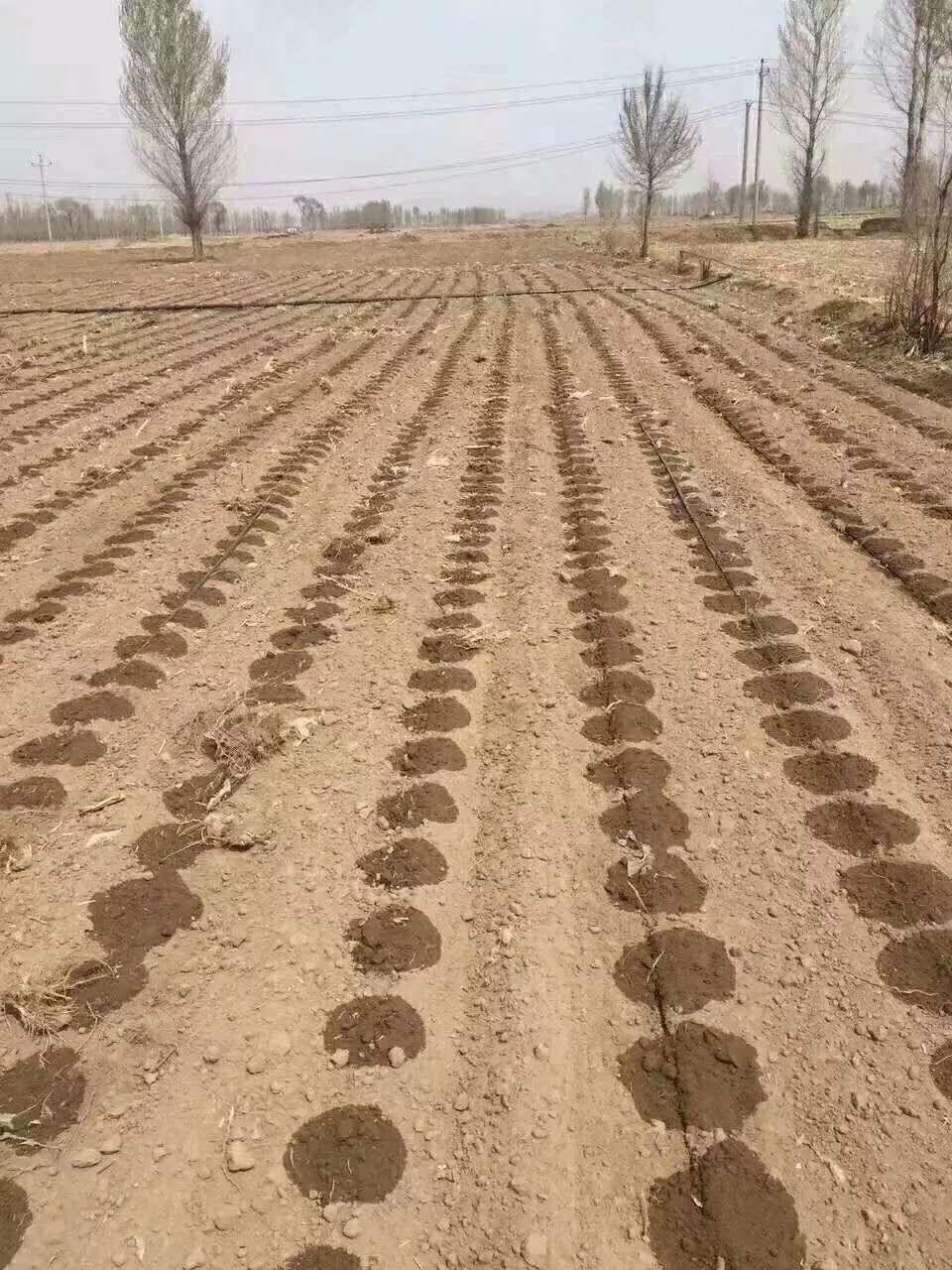
What precautions should be taken when using drip irrigation tubing? A drip irrigation tubing manufacturer is here to guide you!
1. Drip irrigation tubing and emitters are prone to clogging and thus demand high water quality; a filter must be installed. 2. Drip irrigation cannot regulate the microclimate in the field and is therefore unsuitable for irrigation during periods of frost. In vegetable production, drip irrigation systems should not be used for topdressing. 3. Drip irrigation involves high capital investment, so the economic returns of the crop must be carefully considered. 4. When laying drip tape, ensure that the plastic mulch is tightly and firmly pressed down to minimize any air gaps between the mulch and the drip tape, thereby preventing sunlight from being focused by water droplets. Prior to planting, the land should be leveled to reduce unevenness and depressions, as clods, stones, and weeds can lift the mulch, causing moisture to accumulate beneath it and creating a lens effect that burns the drip tape. During installation, the drip tape can be partially buried to avoid focal-point burn damage.
What are the applicable conditions for drip irrigation tubing? A drip irrigation tubing manufacturer is here to explain!
1. Suitable for field crops, orchards, and tree landscaping in regions with scarce water resources and labor. 2. Widely used in greenhouses, plastic tunnels, open-field cultivation, and landscaping projects.
What are the performance and technical specifications of drip irrigation tubing? A drip irrigation tubing manufacturer is here to introduce them to you!
1. Equipped with embedded labyrinth throttling drippers and embedded labyrinth compensation drippers, which ensure turbulent water flow for excellent self-cleaning and anti-clogging performance, allowing the filtration rating to be relaxed to 80 mesh; 2. Features a “constant-pressure flow path” compensator, achieving 95% uniformity of water discharge; 3. Made from new high-strength, corrosion-resistant, and aging-resistant materials; 4. Offers eight flow rates ranging from 1.5 L/h to 10 L/h to meet diverse application needs; 5. Available with pipe wall thicknesses from 0.3 mm to 2 mm to accommodate different irrigation environments.
How does the “water hammer” phenomenon occur in drip irrigation pipelines, and how can it be resolved? A drip irrigation pipe manufacturer explains!
Causes of water hammer in drip irrigation piping systems: In the pipelines of a drip irrigation system, external factors—such as the sudden closure of valves, rapid start-up or shutdown of pumps, brief water outages, or abrupt changes in flow rate—can lead to sudden fluctuations in water flow. Particularly when a pump stops abruptly, the resulting water hammer causes rapid pressure surges and drops within the pipeline, which can easily result in pipe damage. This hydraulic phenomenon is known as water hammer. The primary cause of burst drip irrigation pipes is the destructive force of water hammer.
Solutions: (1) Initiate the water-filling phase and control the filling rate while ensuring proper venting of the pipeline; these are effective measures to prevent water hammer. (2) During operation, fully opening or closing gate valves should be avoided to ensure safe pipeline operation. Installing automatic air vents in the pipeline can mitigate the negative pressure surge caused by water hammer, while installing safety valves can reduce the positive pressure surge. (3) To prevent pump shutdown-induced water hammer, close the valve first before stopping the pump, and install a slow-closing check valve at the pump discharge. (4) To prevent water hammer during short-term water outages, select an appropriate outage procedure that ensures zero pressure in the pipeline during the outage period, followed by re-pressurization and venting. (5) Under conditions of extreme maximum water-hammer pressure, design safety devices and air valves to protect against water hammer.
Keywords:
Recommended News
2026-04-08
How should hanging micro-sprinklers be properly installed to ensure optimal irrigation performance?
2026-03-29
How does irrigation technology using suspended micro-sprinklers improve crop water-use efficiency?
2026-03-19
The applications of ground-inserted micro-sprinklers are not limited to agricultural fields.
2026-03-09
How to Select the Right Underground Micro Sprinkler Nozzle to Enhance Irrigation Efficiency
2026-02-27
Share to


Contact Information
Email:1468828465@qq.com
QQ number: 1468828465
Phone:18348888811
Phone:0311-89271615
Website:www.hebeiruntian.com
Factory Address: Dasun Village, Luancheng District, Shijiazhuang City, Hebei Province

WeChat Official Account