-
About UsHebei Runtian Water-Saving Equipment Co., Ltd. is a specialized, modern enterprise that integrates research and development, manufacturing, sales, and engineering installation of plastic irrigation products.

-
ProductsOur main products include: lateral labyrinth drip irrigation tape, inline patch-type drip irrigation tape, inline cylindrical drip irrigation tubing, inter-tube drip irrigation tubing, a wide range of sprinkler and micro-sprinkler accessories, drip arrows, pressure-compensated drippers, turbulent-flow small-tube emitter drip irrigation systems, PE water supply pipes in various models and specifications along with corresponding pipe fittings, PVC underground water conveyance pipes and PVC pipe fittings, filters, fertigation equipment, and other water-saving irrigation products and equipment for greenhouse cultivation, field farming, and micro-drip and micro-sprinkler irrigation.
-
BlogWe look forward to sincere cooperation with you, backed by stable and reliable quality, prompt delivery times, and superior after-sales service.
-
Qualifications
-
Cases
-
Contact Us
What are the characteristics of a drip irrigation pipe system? A drip irrigation pipe manufacturer is here to explain!
Release Date:
2022-12-05
According to the drip irrigation pipe manufacturer, the drip emitter is a crucial component of the drip irrigation system. Based on the water requirements of the crops, a low-pressure piping network and emitters installed on capillary tubes deliver water and nutrients uniformly and slowly directly into the soil around the crop roots.
According to drip irrigation pipe manufacturers, the drip emitter is a crucial component of the drip irrigation system. Based on the water requirements of the crops, a low-pressure pipeline network and emitters installed on capillary tubes deliver water and nutrients uniformly and slowly directly into the soil around the crop roots. So how should drip irrigation pipes be laid during installation? Drip irrigation pipe manufacturers are here to guide you!
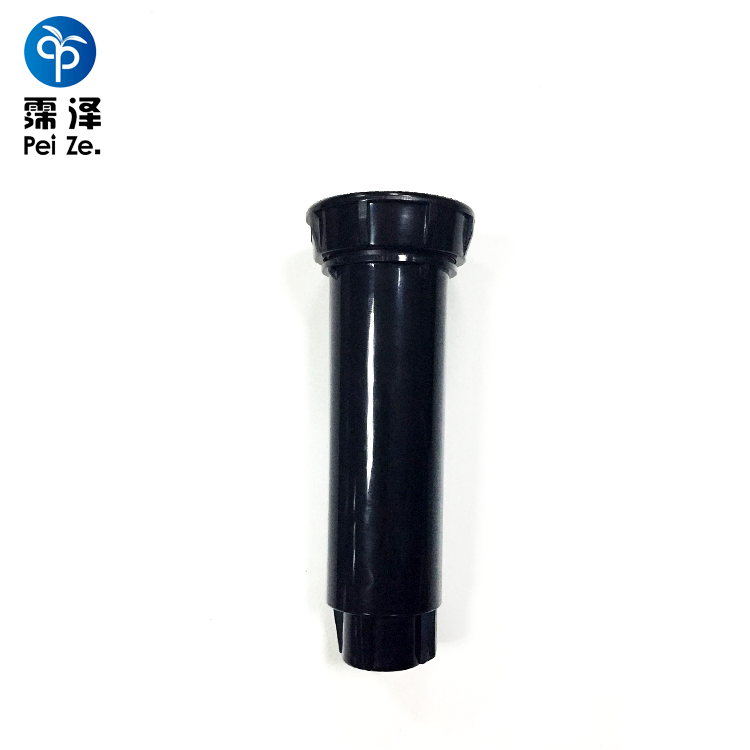
1. When laying the drip irrigation tubing, ensure it is installed beneath the mulch film and avoid laying it on its side or twisting it.
2. If the drip irrigation tubing is laid mechanically, inspect the laminating machine to ensure it is free of scratches. When the bearings are mounted on the pulleys and rolling mechanisms, verify that the pulleys are sensitive to rolling; otherwise, they may deform and compromise the drip rate.
3. Irrigation must be carried out strictly in accordance with the scheduled rotation of irrigation groups; otherwise, uneven water output or hazardous operation of the pumps may occur, leading to energy waste and failure to achieve the objectives of energy conservation, fertilizer reduction, and labor savings.
4. Once the system equipment is installed, promptly supply water to the drip irrigation system to prevent UV-induced drying, which can accelerate the aging of pipes and drip tapes.
5. During installation, personnel shall carefully read the operating instructions for each component and connect the components to the correct equipment.
6. Once the main, branch, and auxiliary pipelines within the site have been installed, the use of agricultural machinery and any scraping or dragging of the pipes are strictly prohibited to prevent damage from external forces and to ensure the service life of the pipelines.
7. Upon completion of the drip irrigation system, dedicated personnel shall be assigned to manage it, and unauthorized disassembly or valve closure by others is strictly prohibited.
8. Land equipped with drip irrigation systems must be properly prepared and thoroughly leveled, with careful removal of crop residues, stones, weeds, and other debris that can puncture the drip tape, lift the plastic mulch, trap water vapor, cause water to accumulate beneath the mulch, and create a lensing effect.
9. During installation, drip irrigation tape may be buried shallowly to prevent localized scorching. Alternatively, a layer of soil approximately 1 mm thick can be spread over the plastic mulch to disrupt the lens effect and thereby prevent scorching.
10. After completion of the drip irrigation tubing installation, valve stems, monitoring tubes, and connectors shall be collected and stored for reuse in the following year.
11. When dirt accumulates inside the filter, the overcurrent will disappear and then increase; clean the filter promptly when the pressure differential across the filter reaches 0.2–0.3 MPa.
12. Regularly open the end of the drip irrigation lines to flush out any debris inside the emitters.
What are the characteristics of a drip irrigation pipe system? A drip irrigation pipe manufacturer is here to introduce them!
1. Drip irrigation tubing saves energy and water, reducing costs. The normal operating head for drip irrigation tubing is 10 meters, with a flow rate of 1.3 liters per hour.
2. The drip irrigation pipe is equipped with pressure-compensated emitters, ensuring uniform water delivery. The emitters are manufactured using high-quality molds and premium raw materials, with a scientifically optimized groove design that guarantees consistent and stable flow rates. The pipe can be laid in lengths of 80 meters or more.
3. The drip emitter is resistant to clogging. Thanks to its wide flow passage, even tiny particles that enter the emitter can be quickly flushed out, significantly enhancing its anti-clogging performance.
4. Long service life.
5. The dripper is tightly bonded to the pipe wall, fully embedded within the pipe, ensuring excellent structural integrity. The outer surface of the pipe is smooth, preventing damage or detachment of the dripper during installation and laying.
Keywords:
Recommended News
2026-04-08
How should hanging micro-sprinklers be properly installed to ensure optimal irrigation performance?
2026-03-29
How does irrigation technology using suspended micro-sprinklers improve crop water-use efficiency?
2026-03-19
The applications of ground-inserted micro-sprinklers are not limited to agricultural fields.
2026-03-09
How to Select the Right Underground Micro Sprinkler Nozzle to Enhance Irrigation Efficiency
2026-02-27
Share to


Contact Information
Email:1468828465@qq.com
QQ number: 1468828465
Phone:18348888811
Phone:0311-89271615
Website:www.hebeiruntian.com
Factory Address: Dasun Village, Luancheng District, Shijiazhuang City, Hebei Province

WeChat Official Account