

What are the applications of ground-inserted micro-sprinklers?


Release Date:

2023-04-25

Ground-inserted micro-sprinklers are irrigation devices widely used for spraying lawns, gardens, orchards, and agricultural fields. They offer advantages such as water conservation, high irrigation efficiency, and uniform water distribution, making them an indispensable component of modern agricultural production.

  Ground-insert micro-sprinklers are an irrigation device widely used for spraying lawns, gardens, orchards, and farmland. They offer advantages such as water conservation, high irrigation efficiency, and uniform water distribution, making them an indispensable component of modern agricultural production. So, what other applications do they have? Let’s take a brief look together below.
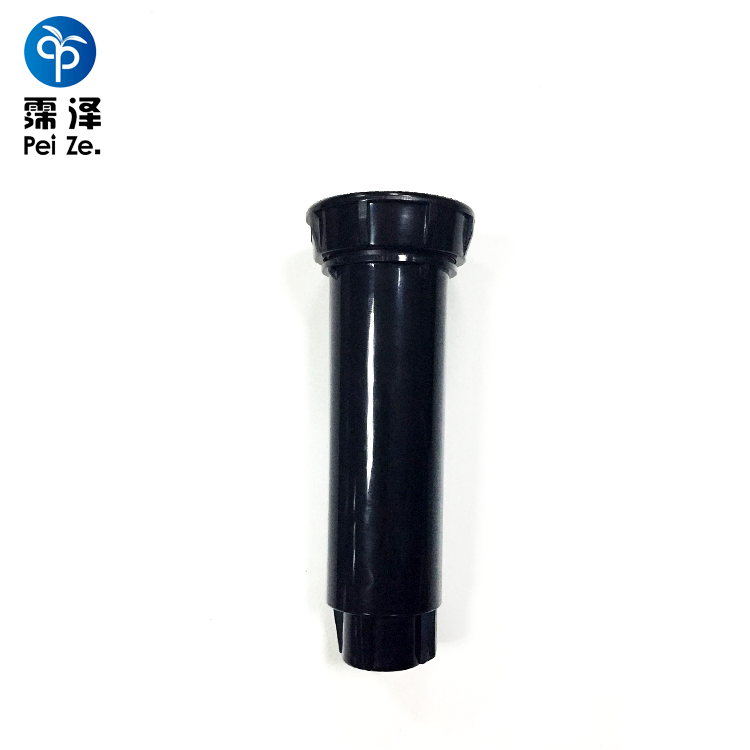
 Ground-Inserted Micro Sprinkler

  Lawns require uniform water distribution, and in-ground micro-sprinklers allow for adjustable spray coverage and intensity, providing flexible irrigation to meet the varying needs of different lawn areas.

  With diverse shapes and layouts, ground-mounted micro-sprinklers can be configured to deliver different spray patterns to meet the specific needs of various areas, ensuring precise irrigation and minimizing water waste.

  Farmlands require irrigation at fixed times and in precise amounts; ground-mounted micro-sprinklers allow for pre-setting irrigation schedules and water volumes, thereby reducing farmers’ labor intensity and enhancing agricultural productivity.

  Fruit trees in orchards require uniform water supply; subsurface micro-sprinklers allow adjustment of the spray area and application intensity while protecting the fruit from damage caused by water pressure.

  Ground-mounted micro-sprinklers can be configured to deliver various spray patterns, making them ideal for fountain designs in parks—enhancing visitor appeal and beautifying the urban environment.

  In summary, ground-insert micro-sprinklers hold great potential for widespread application and can offer a more convenient irrigation solution.

  Soil-inserted micro-sprinklers are a widely used micro-irrigation device that plays an important role in agricultural irrigation. However, many people may not be familiar with the operational principles of soil-inserted micro-sprinklers. Below, we will explore these principles in detail.

  What is the structure of a ground-insert micro-sprinkler? Let’s take a brief look together. A ground-insert micro-sprinkler consists of three main components: a water supply unit, a controller, and the sprinkler head itself. The water supply unit provides the water source, the controller regulates water pressure and flow rate, and the sprinkler head delivers the water directly to the crop root zone.

  Its spray performance directly affects irrigation effectiveness, primarily in terms of droplet size, spray coverage, and spray direction. Droplet size should be moderate—neither too large nor too small—and the spray coverage and direction must be optimized to ensure uniform irrigation.

  During installation, attention should be paid to setting the installation depth, nozzle spacing, and installation angle; during maintenance, care should be taken to remove scale, and to replace valves and nozzles.

  Ground-insert micro-sprinklers are suitable for irrigating fruit trees, grapes, corn, and other crops, as well as for use in public green spaces, landscaping, and golf courses.

  With continuous advances in technology, subsurface micro-sprinklers are constantly being upgraded and replaced. Future subsurface micro-sprinklers will be even smarter and more energy-efficient.

  In summary, the operational principles of subsurface drip micro-sprinklers encompass multiple aspects; when properly implemented in practical applications, they can effectively enhance crop quality and yield, thereby bringing greater benefits to people’s lives.


Keywords:


Recommended News


Case Study on the Application of Suspended Micro-Sprinklers in Greenhouse and Field Micro-Drip Irrigation

Case Studies on the Application of Suspended Micro-Sprinklers in Greenhouse and Field Micro-Drip Irrigation In modern agriculture, the efficient use of water resources is crucial for enhancing crop yield and quality. Suspended micro-sprinklers, as an emerging irrigation technology, have gradually become a popular choice for greenhouse and field micro-drip irrigation systems thanks to their precise moisture control and flexible installation options. Today, we will explore several real-world applications of suspended micro-sprinklers and examine how they are transforming the landscape of agricultural irrigation. What Are Suspended Micro-Sprinklers? Suspended micro-sprinklers are micro-irrigation devices that are mounted at a specific height using a suspension system. They deliver water in the form of fine droplets, evenly spraying it over crops, which not only improves water-use efficiency but also effectively reduces the incidence of plant diseases. Compared with traditional irrigation methods, suspended micro-sprinklers offer distinct advantages, particularly in greenhouse and field applications, where their unique value is fully realized. The Advantages of Using Suspended Micro-Sprinklers Imagine an artist delicately applying brushstrokes to create a perfect masterpiece—suspended micro-sprinklers, in turn, provide precise moisture delivery to support crop growth. First, they ensure uniform water coverage, allowing every plant to receive adequate hydration. Second, the suspended design enables water droplets to reach the plant roots directly, minimizing water loss. And

2026-04-08

How should hanging micro-sprinklers be properly installed to ensure optimal irrigation performance?

How to properly install hanging micro-sprinklers to ensure optimal irrigation performance? In modern agriculture and horticulture, the design and installation of irrigation systems are of paramount importance. Hanging micro-sprinklers, in particular, have increasingly become the preferred choice for many farmers and gardening enthusiasts due to their ability to deliver uniform spray irrigation. So, how can these hanging micro-sprinklers be installed correctly to achieve the best possible irrigation results? Today, let’s explore this topic in depth. Understanding the Basic Principles of Hanging Micro-Sprinklers Before we begin installation, it’s essential to first grasp how hanging micro-sprinklers work. They atomize water through nozzles, producing fine droplets that evenly cover the plant surface. This method of spray irrigation not only effectively reduces water evaporation but also minimizes water waste, ensuring that plants receive the moisture they need. Preparatory Steps: Choosing the Right Site Before installing hanging micro-sprinklers, selecting an appropriate site is crucial. Several factors should be taken into account: 1. Plant Species: Different plants have varying water requirements; understanding these needs will help determine the proper installation height and number of sprinklers. 2. Topography: The terrain affects the distribution of water flow, so it’s important to ensure a level ground to prevent water from pooling on one side. 3. Drainage System: If the site has poor drainage, water may accumulate, leading to root rot.

2026-03-29

How does irrigation technology using suspended micro-sprinklers improve crop water-use efficiency?

How Does Suspended Micro-Sprinkler Irrigation Enhance Crop Water Use Efficiency? In modern agriculture, the rational use of water resources is of paramount importance. As droughts and water shortages become increasingly severe, traditional irrigation methods can no longer meet the demands of high-efficiency farming. This is where suspended micro-sprinkler technology comes into play: it not only uses water more efficiently but also improves crop growth quality. So how exactly does the suspended micro-sprinkler system boost crop water-use efficiency? What Is a Suspended Micro-Sprinkler? To begin with, let’s take a closer look at what a suspended micro-sprinkler is. Simply put, it is an irrigation device that evenly distributes water across farmland through tiny spray nozzles, producing a fine mist. The sprinklers are suspended above the crops, allowing the misty droplets to fall directly onto the leaves and roots. The advantage of this approach is that the moisture penetrates the soil more effectively while minimizing evaporation losses. High-Efficiency Water Use You may be wondering: why choose suspended micro-sprinklers over conventional irrigation methods? The answer lies in water-use efficiency. Traditional irrigation often results in substantial evaporation and runoff, whereas the atomizing spray technique employed by suspended micro-sprinklers significantly reduces these losses. Studies have shown that irrigation systems using suspended micro-sprinklers can increase water-use efficiency by

2026-03-19

The applications of ground-inserted micro-sprinklers are not limited to agricultural fields.

The applications of ground-insert micro-sprinklers extend far beyond agricultural irrigation in fields; their presence has become indispensable. When people think of micro-sprinklers, the first thing that comes to mind is often irrigating farmland—indeed, this is one of their primary uses. But did you know that the scope of ground-insert micro-sprinkler applications goes much further? Today, we’ll explore the diverse ways these devices can be used, challenging the conventional notion that they exist solely for farming. The Basic Concept of Ground-Insert Micro-Sprinklers Before diving into specific applications, let’s first clarify what a ground-insert micro-sprinkler is. As the name suggests, it is a device designed to be directly inserted into the soil for irrigation. Its fine water droplets are distributed as evenly as a gentle rain, providing plants with the moisture they need while minimizing water loss through evaporation. This precise method of irrigation significantly enhances water-use efficiency. Applications Beyond Farmland Many people may wonder: “Can ground-insert micro-sprinklers really be used anywhere other than fields?” The answer is yes! Let’s take a look at some of their alternative applications. 1. Gardens and Courtyards Imagine a sunny afternoon, sitting on a swing in your own garden surrounded by lush, vibrant plants. When it comes to watering these plants, using a ground-insert micro-sprinkler is like adding wings to a tiger. It helps you evenly

2026-03-09

How to Select the Right Underground Micro Sprinkler Nozzle to Enhance Irrigation Efficiency

How to Choose the Right In-Ground Micro Sprinkler to Boost Irrigation Efficiency In modern agriculture and horticulture, improving irrigation efficiency is a key goal for every farmer and gardening enthusiast. Among the many irrigation tools available, in-ground micro sprinklers stand out for their high efficiency—but selecting the right model can often be confusing. Today, we’ll explore how to choose the ideal in-ground micro sprinkler to help you enhance your irrigation performance. A Basic Understanding of In-Ground Micro Sprinklers First, let’s clarify what an in-ground micro sprinkler is. It’s a type of sprinkler installed directly in the soil that delivers water in tiny droplets, targeting the plant roots while minimizing evaporation and water loss. Think of it like having a little umbrella in your garden: whenever your plants need moisture, it gently releases a fine mist—sounds pretty nice, doesn’t it? Key Factors to Consider When Choosing the Right In-Ground Micro Sprinkler When selecting an in-ground micro sprinkler, there are several important factors to keep in mind: 1. Sprinkler Flow Rate Different in-ground micro sprinklers have varying flow rates, typically measured in liters per hour (L/h). You should choose a flow rate that matches your plants’ water requirements. Imagine your plants as sponges thirsting for moisture, and the sprinkler’s flow rate as the amount of water coming out of the faucet—only when the two are properly matched can you achieve optimal results.

2026-02-27

Share to