

A guide to important considerations for ground-inserted micro-sprinklers—save this now!


Release Date:

2023-05-08

Ground-inserted micro-sprinklers are a new type of sprinkler irrigation equipment that has been widely used in agricultural irrigation in recent years.

  Ground-inserted micro-sprinklers are a new type of sprinkler irrigation equipment that has been widely used in agricultural irrigation in recent years. During operation, to ensure optimal spray performance and prolong the service life of the equipment, users should pay attention to the following points:
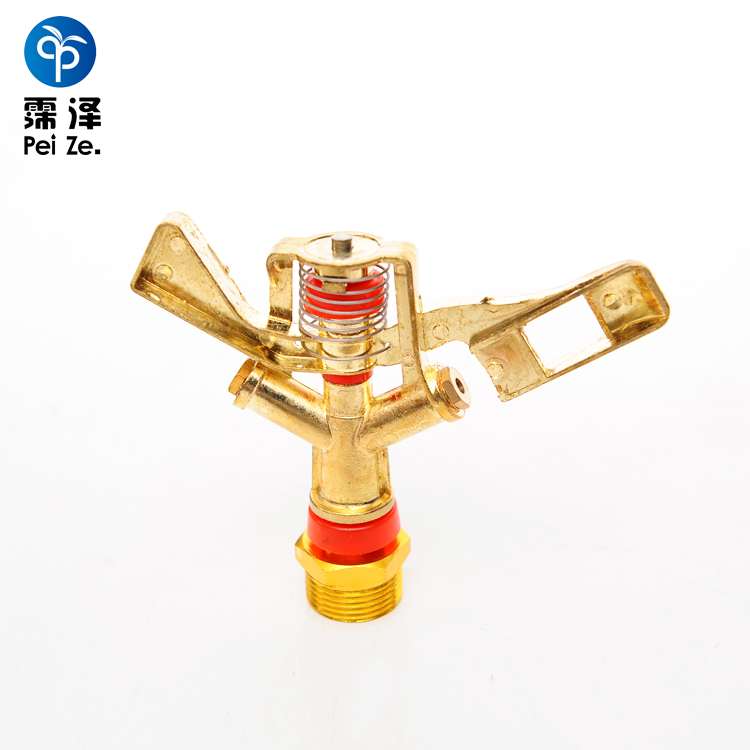
 Ground-Inserted Micro Sprinkler

  1. Select the appropriate nozzle size. Ground-mounted micro-sprinkler nozzles come in various orifice sizes to accommodate different irrigation areas. When choosing a nozzle, select the size that best meets your specific needs to minimize water waste.

  2. Installation must comply with specific standards. The installation of subsurface micro-sprinkler heads requires adherence to established guidelines, such as proper installation depth and spacing. Before use, be sure to consult the sprinkler head’s installation manual to avoid unnecessary installation errors.

  3. Regular inspection and cleaning. During operation, ground-mounted micro-sprinkler heads are prone to fouling from sediment and weed growth; therefore, regular inspection and cleaning are essential to prevent clogging and ensure optimal sprinkler irrigation performance.

  4. Commissioning is required before operation. Prior to using the ground-mounted micro-sprinkler heads, commissioning must be carried out to ensure proper functioning. During commissioning, check the stability of the water flow and verify that the water pressure is within the normal range, ensuring that the water discharge meets the specified requirements.

  5. Perform timely repairs and replacements. If the ground-mounted micro-sprinkler heads show signs of wear or damage, they must be repaired or replaced promptly to prevent more serious malfunctions that could compromise the effectiveness of field sprinkler irrigation.

  The use of ground-inserted micro-sprinklers requires attention to a variety of factors; only when they are operated and maintained properly can effective sprinkler irrigation in agricultural fields be achieved.

  Ground-insert micro-sprinklers, an indispensable tool in landscape irrigation, naturally offer numerous advantages that cannot be overlooked.

  1. Conserve water resources. Ground-mounted micro-sprinklers can be adjusted as needed to control water flow and spray coverage, thereby preventing slow dripping from faucets and reducing water waste.

  2. Enhance irrigation efficiency. Thanks to the fine, gentle spray produced by subsurface micro-sprinklers, water penetrates the soil more effectively, distributing moisture more evenly around plant roots and thereby improving irrigation efficiency.

  3. Enhances plant growth. Ground-insert micro-sprinklers mimic the natural moisturizing effect of rain, enabling plants to better absorb nutrients while maintaining soil moisture and providing an optimal growing environment.

  4. Convenient and labor-saving. In-ground micro-sprinkler heads can be installed underground, preserving the overall aesthetic appeal of the landscape and reducing the burden of operation and maintenance. The sprinklers can be programmed to activate automatically at scheduled times, eliminating the need for manual watering and thereby saving manpower.

  5. Environmental protection and energy efficiency. Ground-mounted micro-sprinklers are water-saving and environmentally friendly; they require no special energy supply and do not emit harmful gases such as carbon dioxide during operation, making them highly eco-friendly and cost-effective to use.

  In summary, the ground-insert micro-sprinkler is an exceptionally practical irrigation tool for landscaping. Its advantages not only enhance watering efficiency and ensure healthy plant growth, but also promote environmental sustainability and energy conservation, while offering convenient operation—thereby significantly enhancing the comfort and aesthetic appeal of landscape designs.

Keywords:


Recommended News


Case Study on the Application of Suspended Micro-Sprinklers in Greenhouse and Field Micro-Drip Irrigation

Case Studies on the Application of Suspended Micro-Sprinklers in Greenhouse and Field Micro-Drip Irrigation In modern agriculture, the efficient use of water resources is crucial for enhancing crop yield and quality. Suspended micro-sprinklers, as an emerging irrigation technology, have gradually become a popular choice for greenhouse and field micro-drip irrigation systems thanks to their precise moisture control and flexible installation options. Today, we will explore several real-world applications of suspended micro-sprinklers and examine how they are transforming the landscape of agricultural irrigation. What Are Suspended Micro-Sprinklers? Suspended micro-sprinklers are micro-irrigation devices that are mounted at a specific height using a suspension system. They deliver water in the form of fine droplets, evenly spraying it over crops, which not only improves water-use efficiency but also effectively reduces the incidence of plant diseases. Compared with traditional irrigation methods, suspended micro-sprinklers offer distinct advantages, particularly in greenhouse and field applications, where their unique value is fully realized. The Advantages of Using Suspended Micro-Sprinklers Imagine an artist delicately applying brushstrokes to create a perfect masterpiece—suspended micro-sprinklers, in turn, provide precise moisture delivery to support crop growth. First, they ensure uniform water coverage, allowing every plant to receive adequate hydration. Second, the suspended design enables water droplets to reach the plant roots directly, minimizing water loss. And

2026-04-08

How should hanging micro-sprinklers be properly installed to ensure optimal irrigation performance?

How to properly install hanging micro-sprinklers to ensure optimal irrigation performance? In modern agriculture and horticulture, the design and installation of irrigation systems are of paramount importance. Hanging micro-sprinklers, in particular, have increasingly become the preferred choice for many farmers and gardening enthusiasts due to their ability to deliver uniform spray irrigation. So, how can these hanging micro-sprinklers be installed correctly to achieve the best possible irrigation results? Today, let’s explore this topic in depth. Understanding the Basic Principles of Hanging Micro-Sprinklers Before we begin installation, it’s essential to first grasp how hanging micro-sprinklers work. They atomize water through nozzles, producing fine droplets that evenly cover the plant surface. This method of spray irrigation not only effectively reduces water evaporation but also minimizes water waste, ensuring that plants receive the moisture they need. Preparatory Steps: Choosing the Right Site Before installing hanging micro-sprinklers, selecting an appropriate site is crucial. Several factors should be taken into account: 1. Plant Species: Different plants have varying water requirements; understanding these needs will help determine the proper installation height and number of sprinklers. 2. Topography: The terrain affects the distribution of water flow, so it’s important to ensure a level ground to prevent water from pooling on one side. 3. Drainage System: If the site has poor drainage, water may accumulate, leading to root rot.

2026-03-29

How does irrigation technology using suspended micro-sprinklers improve crop water-use efficiency?

How Does Suspended Micro-Sprinkler Irrigation Enhance Crop Water Use Efficiency? In modern agriculture, the rational use of water resources is of paramount importance. As droughts and water shortages become increasingly severe, traditional irrigation methods can no longer meet the demands of high-efficiency farming. This is where suspended micro-sprinkler technology comes into play: it not only uses water more efficiently but also improves crop growth quality. So how exactly does the suspended micro-sprinkler system boost crop water-use efficiency? What Is a Suspended Micro-Sprinkler? To begin with, let’s take a closer look at what a suspended micro-sprinkler is. Simply put, it is an irrigation device that evenly distributes water across farmland through tiny spray nozzles, producing a fine mist. The sprinklers are suspended above the crops, allowing the misty droplets to fall directly onto the leaves and roots. The advantage of this approach is that the moisture penetrates the soil more effectively while minimizing evaporation losses. High-Efficiency Water Use You may be wondering: why choose suspended micro-sprinklers over conventional irrigation methods? The answer lies in water-use efficiency. Traditional irrigation often results in substantial evaporation and runoff, whereas the atomizing spray technique employed by suspended micro-sprinklers significantly reduces these losses. Studies have shown that irrigation systems using suspended micro-sprinklers can increase water-use efficiency by

2026-03-19

The applications of ground-inserted micro-sprinklers are not limited to agricultural fields.

The applications of ground-insert micro-sprinklers extend far beyond agricultural irrigation in fields; their presence has become indispensable. When people think of micro-sprinklers, the first thing that comes to mind is often irrigating farmland—indeed, this is one of their primary uses. But did you know that the scope of ground-insert micro-sprinkler applications goes much further? Today, we’ll explore the diverse ways these devices can be used, challenging the conventional notion that they exist solely for farming. The Basic Concept of Ground-Insert Micro-Sprinklers Before diving into specific applications, let’s first clarify what a ground-insert micro-sprinkler is. As the name suggests, it is a device designed to be directly inserted into the soil for irrigation. Its fine water droplets are distributed as evenly as a gentle rain, providing plants with the moisture they need while minimizing water loss through evaporation. This precise method of irrigation significantly enhances water-use efficiency. Applications Beyond Farmland Many people may wonder: “Can ground-insert micro-sprinklers really be used anywhere other than fields?” The answer is yes! Let’s take a look at some of their alternative applications. 1. Gardens and Courtyards Imagine a sunny afternoon, sitting on a swing in your own garden surrounded by lush, vibrant plants. When it comes to watering these plants, using a ground-insert micro-sprinkler is like adding wings to a tiger. It helps you evenly

2026-03-09

How to Select the Right Underground Micro Sprinkler Nozzle to Enhance Irrigation Efficiency

How to Choose the Right In-Ground Micro Sprinkler to Boost Irrigation Efficiency In modern agriculture and horticulture, improving irrigation efficiency is a key goal for every farmer and gardening enthusiast. Among the many irrigation tools available, in-ground micro sprinklers stand out for their high efficiency—but selecting the right model can often be confusing. Today, we’ll explore how to choose the ideal in-ground micro sprinkler to help you enhance your irrigation performance. A Basic Understanding of In-Ground Micro Sprinklers First, let’s clarify what an in-ground micro sprinkler is. It’s a type of sprinkler installed directly in the soil that delivers water in tiny droplets, targeting the plant roots while minimizing evaporation and water loss. Think of it like having a little umbrella in your garden: whenever your plants need moisture, it gently releases a fine mist—sounds pretty nice, doesn’t it? Key Factors to Consider When Choosing the Right In-Ground Micro Sprinkler When selecting an in-ground micro sprinkler, there are several important factors to keep in mind: 1. Sprinkler Flow Rate Different in-ground micro sprinklers have varying flow rates, typically measured in liters per hour (L/h). You should choose a flow rate that matches your plants’ water requirements. Imagine your plants as sponges thirsting for moisture, and the sprinkler’s flow rate as the amount of water coming out of the faucet—only when the two are properly matched can you achieve optimal results.

2026-02-27

Share to