-
About UsHebei Runtian Water-Saving Equipment Co., Ltd. is a specialized, modern enterprise that integrates research and development, manufacturing, sales, and engineering installation of plastic irrigation products.

-
ProductsOur main products include: lateral labyrinth drip irrigation tape, inline patch-type drip irrigation tape, inline cylindrical drip irrigation tubing, inter-tube drip irrigation tubing, a wide range of sprinkler and micro-sprinkler accessories, drip arrows, pressure-compensated drippers, turbulent-flow small-tube emitter drip irrigation systems, PE water supply pipes in various models and specifications along with corresponding pipe fittings, PVC underground water conveyance pipes and PVC pipe fittings, filters, fertigation equipment, and other water-saving irrigation products and equipment for greenhouse cultivation, field farming, and micro-drip and micro-sprinkler irrigation.
-
BlogWe look forward to sincere cooperation with you, backed by stable and reliable quality, prompt delivery times, and superior after-sales service.
-
Qualifications
-
Cases
-
Contact Us
Product Center
Contact Us
Email:1468828465@qq.com
QQ number: 1468828465
Phone:18348888811
Phone:0311-89271615
Website:www.hebeiruntian.com
Factory Address: Dasun Village, Luancheng District, Shijiazhuang City, Hebei Province
Inlaid-clip drip irrigation tape
Keywords:
Category:
- Product Description
-
Drip irrigation tape is a plastic product that uses plastic tubing to deliver water (or liquid fertilizers, pesticides, etc.) directly to the root zone of crops via emitters or drip holes along a 16-mm-diameter lateral pipe, thereby achieving localized irrigation.
Inlaid-drip emitter tape is a type of drip irrigation tape in which pre-manufactured drippers are embedded into the inner wall of the tape during the manufacturing process.
The function of drip irrigation tape:
It is currently an effective water-saving irrigation method in arid and water-scarce regions. Compared with sprinkler irrigation, drip irrigation delivers greater water savings and yield increases, and can be combined with fertilization to more than double fertilizer efficiency. It is suitable for irrigating fruit trees, vegetables, cash crops, and greenhouse facilities, and can also be used for field crop irrigation in areas with severe water shortages. Its main drawback is that the drippers are prone to scaling and clogging, so the water source must undergo rigorous filtration. At present, domestically produced equipment has largely met the required standards, and regions with the necessary conditions should actively promote the development of drip irrigation.
Conditions for the application of drip irrigation:
1. Used in the cultivation of crops in greenhouses and plastic tunnels to reduce pests and diseases, conserve chemical fertilizers and pesticides, and enhance economic returns.
2. Used for orchard irrigation, it can effectively increase yield, improve fruit quality, and effectively control weed growth.
3. Suitable for a variety of field crops, including cotton, traditional Chinese medicinal herbs, watermelon, and field vegetables, to enhance the level of mechanized cultivation.
4. Drip irrigation tape can be laid in curved patterns along the ridges, making operation convenient.
Features of drip irrigation tape:
1. Drip irrigation tape delivers uniform water discharge, with a uniformity rate of 85% or higher.
2. The drip irrigation tape features built-in self-cleaning filters, providing excellent clog resistance.
3. The drip irrigation tape features a labyrinthine flow channel, providing a certain degree of pressure compensation.
4. The spacing of the drip emitters on the drip irrigation tape can be customized according to user requirements.
5. Drip irrigation tape can be laid in a curved pattern along the ridges, making operation convenient.
6. Drip irrigation tape is easy to install and use, with low labor costs, light weight, and convenient transportation.
Drip irrigation tape model and specifications:
Inner diameter: 16 mm; wall thickness: 0.2–0.4 mm; spacing: 150–300 mm; flow rate: 1–3 L/h.
Runtian Water-Saving Friendly Reminder
Precautions for drip irrigation tape:
1. Drip irrigation pipelines and emitters are prone to clogging and have high water-quality requirements; therefore, a filter must be installed.
Second, drip irrigation cannot regulate the microclimate in the field, is unsuitable for irrigation during the freezing period, and cannot be used to apply manure as a topdressing in vegetable irrigation.
3. Drip irrigation involves relatively high capital investment, so the economic returns of the crop must be taken into account.
4. Burn Damage to Drip Irrigation Tape When laying the drip irrigation tape, ensure that the plastic mulch is tightly and firmly pressed down so that it lies as close as possible to the tape, leaving no air gaps between them. Avoid the focusing effect of sunlight through water droplets. Prior to sowing, level the soil thoroughly to minimize pits and depressions. Prevent clods, stones, and weeds from lifting the mulch, which can trap moisture beneath it, creating a lens-like effect that focuses sunlight and burns the drip irrigation tape. During installation, consider burying the drip irrigation tape partially underground to eliminate focal-point burn damage.
Product Inquiry
Related products
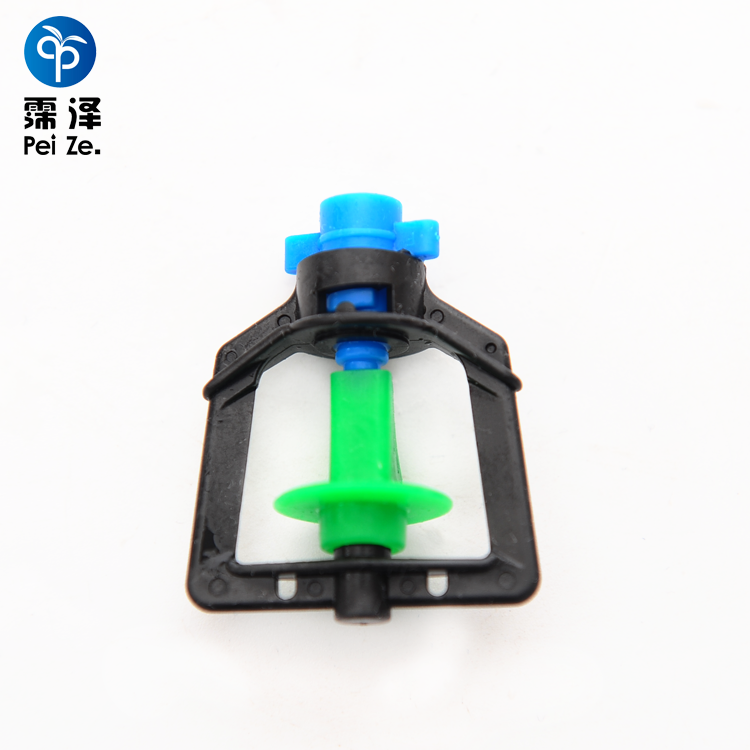
Precise design, precision manufacturing, and uniform spraying.
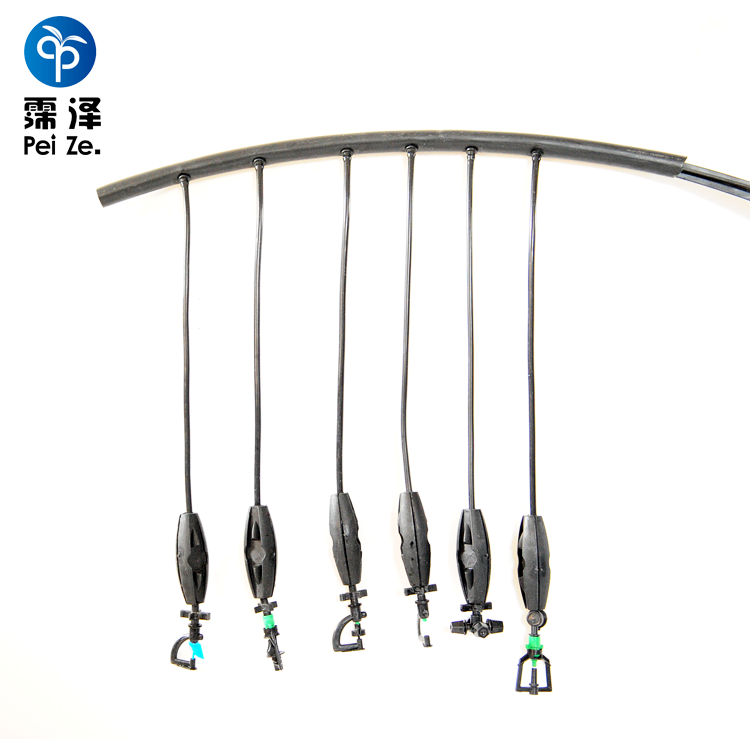
Hanging Micro-Sprinkler Assembly
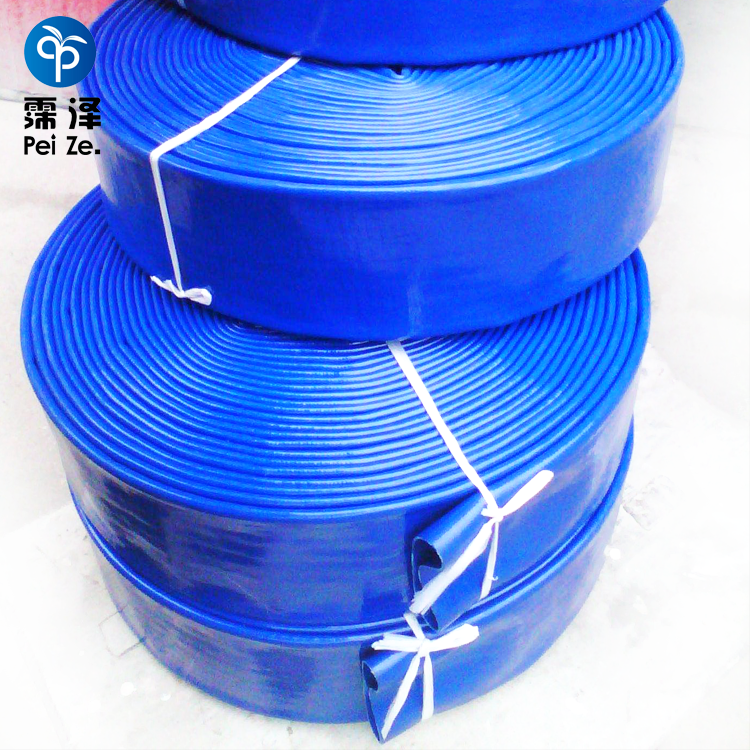
Sprinkler-coated plastic water hose
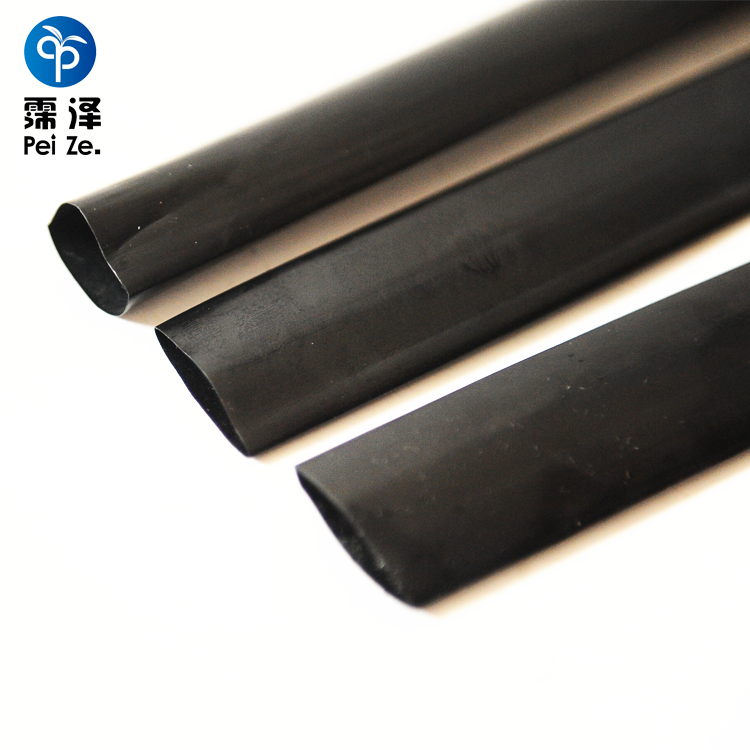


Contact Information
Email:1468828465@qq.com
QQ number: 1468828465
Phone:18348888811
Phone:0311-89271615
Website:www.hebeiruntian.com
Factory Address: Dasun Village, Luancheng District, Shijiazhuang City, Hebei Province

WeChat Official Account