
-
About UsHebei Runtian Water-Saving Equipment Co., Ltd. is a specialized, modern enterprise that integrates research and development, manufacturing, sales, and engineering installation of plastic irrigation products.

-
ProductsOur main products include: lateral labyrinth drip irrigation tape, inline patch-type drip irrigation tape, inline cylindrical drip irrigation tubing, inter-tube drip irrigation tubing, a wide range of sprinkler and micro-sprinkler accessories, drip arrows, pressure-compensated drippers, turbulent-flow small-tube emitter drip irrigation systems, PE water supply pipes in various models and specifications along with corresponding pipe fittings, PVC underground water conveyance pipes and PVC pipe fittings, filters, fertigation equipment, and other water-saving irrigation products and equipment for greenhouse cultivation, field farming, and micro-drip and micro-sprinkler irrigation.
-
BlogWe look forward to sincere cooperation with you, backed by stable and reliable quality, prompt delivery times, and superior after-sales service.
-
Qualifications
-
Cases
-
Contact Us
Product Center
Contact Us
Email:1468828465@qq.com
QQ number: 1468828465
Phone:18348888811
Phone:0311-89271615
Website:www.hebeiruntian.com
Factory Address: Dasun Village, Luancheng District, Shijiazhuang City, Hebei Province
Small-tube trickle irrigation system
Keywords:
Category:
- Product Description
-
Small-tube outflow This involves drilling holes in the lateral pipe to install a turbulence (or flow-stabilizing) device, and then connecting a short section of capillary tubing at the opposite end of the device, extending all the way to the crop roots.I. Characteristics of Turbulence Generators1. Use a turbulence device and lay the pipe on level ground for a length of 100 meters or more.2. Stable effluent flow with uniformity reaching 90%.3. Strong anti-clogging capability.4. Can be buried underground, with no impact on surface operations.5. Installation may be carried out as needed based on crop requirements and actual conditions.II. Application Conditions for Turbulence Generators:Fruit trees, landscaping projects, and fast-growing forest plantations, among others.III. Performance, Specifications, and Parameters of Turbulence GeneratorsFlow rate: 10–70 L/hWorking pressure: 0.1–0.3 MPaIV. Characteristics of the Small-Diameter Pipe Surface Irrigation Water-Saving Irrigation System(1) Energy-efficient, with minimal clogging issues and simple water-quality purification: the flow-channel diameter of small-diameter pipe emitters is much larger than that of drip-irrigation emitters or their orifices, and they deliver high-flow rates, thereby overcoming the common problem of clogging in drip-irrigation systems. Consequently, it is usually sufficient to install a 60–80-mesh screen filter at the head of the system (whereas drip-irrigation systems typically require filters with 120–200 mesh). If irrigation is carried out using well water of good quality or water from reservoirs with relatively good water quality, a filter may even be omitted. Moreover, because the filter’s mesh is coarse and the head loss is low, energy consumption is reduced while the flushing interval can be extended.(2) Convenient fertilization: When applying fertilizer to fruit trees, chemical fertilizer solutions can be injected into the irrigation pipelines to be delivered with the irrigation water directly to the root zone soil; alternatively, fertilizers can be evenly broadcast into the seepage trenches and allowed to dissolve, with the water carrying them into the soil. In particular, when applying organic fertilizers, various types of organic matter can be incorporated into the soil beneath the seepage trenches, where, under optimal moisture, temperature, and aeration conditions, they undergo maturation and fully exert their fertilizing effects—thereby resolving the limitation of drip irrigation in handling organic fertilizers.(3) Subsurface drip irrigation is a localized irrigation technique that moistens only the soil within the root zones on either side of the seepage trenches, resulting in high water-use efficiency. Moreover, since water is delivered and distributed through a piped network, there are no losses due to conveyance or infiltration.(4) High adaptability: suitable for various terrains, soil types, and fruit tree varieties.(5) Simple operation and convenient management.
Product Inquiry
Related products
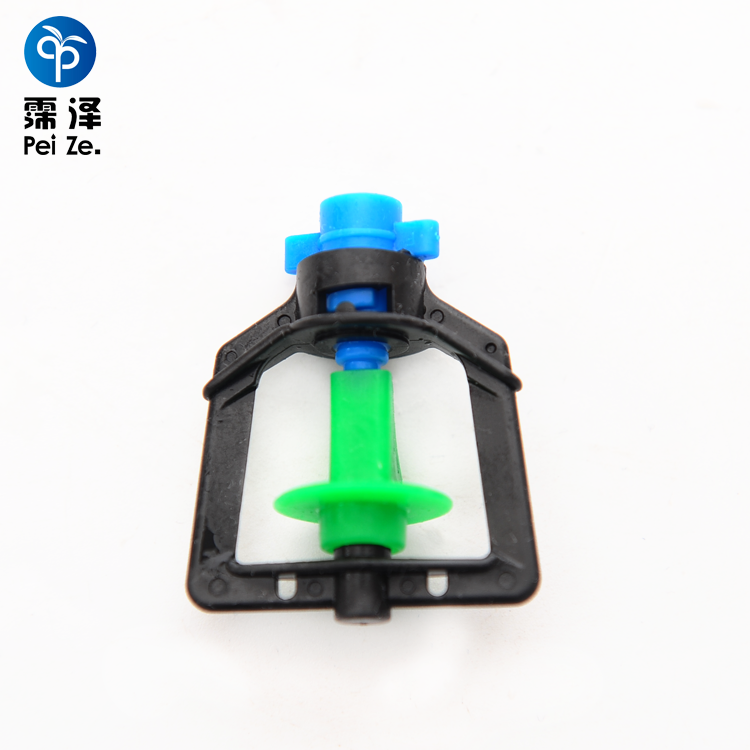
Precise design, precision manufacturing, and uniform spraying.
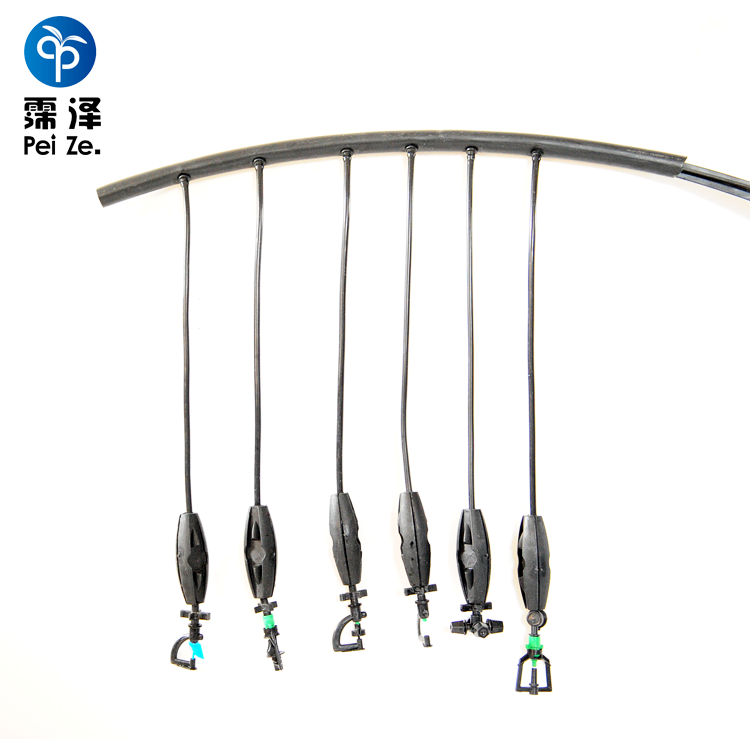
Hanging Micro-Sprinkler Assembly
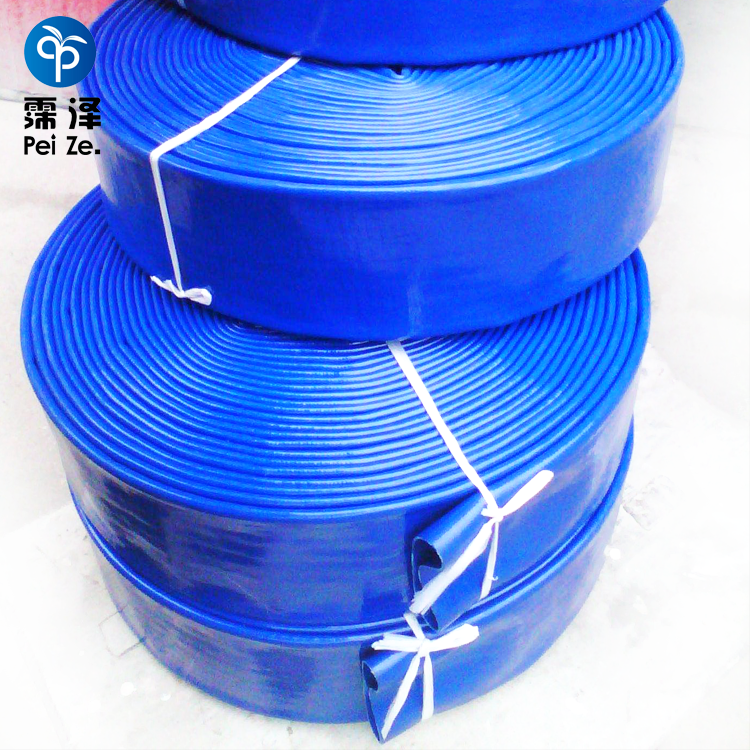
Sprinkler-coated plastic water hose


Contact Information
Email:1468828465@qq.com
QQ number: 1468828465
Phone:18348888811
Phone:0311-89271615
Website:www.hebeiruntian.com
Factory Address: Dasun Village, Luancheng District, Shijiazhuang City, Hebei Province

WeChat Official Account