
-
About UsHebei Runtian Water-Saving Equipment Co., Ltd. is a specialized, modern enterprise that integrates research and development, manufacturing, sales, and engineering installation of plastic irrigation products.

-
ProductsOur main products include: lateral labyrinth drip irrigation tape, inline patch-type drip irrigation tape, inline cylindrical drip irrigation tubing, inter-tube drip irrigation tubing, a wide range of sprinkler and micro-sprinkler accessories, drip arrows, pressure-compensated drippers, turbulent-flow small-tube emitter drip irrigation systems, PE water supply pipes in various models and specifications along with corresponding pipe fittings, PVC underground water conveyance pipes and PVC pipe fittings, filters, fertigation equipment, and other water-saving irrigation products and equipment for greenhouse cultivation, field farming, and micro-drip and micro-sprinkler irrigation.
-
BlogWe look forward to sincere cooperation with you, backed by stable and reliable quality, prompt delivery times, and superior after-sales service.
-
Qualifications
-
Cases
-
Contact Us
Product Center
Contact Us
Email:1468828465@qq.com
QQ number: 1468828465
Phone:18348888811
Phone:0311-89271615
Website:www.hebeiruntian.com
Factory Address: Dasun Village, Luancheng District, Shijiazhuang City, Hebei Province
13L Fertilizer Tank
Keywords:
Category:
- Product Description
-
Fertilization equipment: 13L fertilizer tank
In modern agriculture, fertilization is a critical step. To enhance fertilization efficiency and reduce the complexity and error rates associated with manual application, a variety of advanced fertilization equipment has been developed. Among these, the 13-liter fertilizer tank stands out as an ideal choice for many farmers and gardening enthusiasts.
I. Equipment Overview
The 13L fertilizer tank is a moderately sized, easy-to-operate fertilization device. Its unique design integrates modern technology with the needs of traditional agriculture, aiming to deliver an efficient and precise fertilization experience for users.
II. Design Features
1. Moderate capacity: The 13-liter capacity is sufficient for large-area operations without being overly bulky, making it easy to carry and operate.
2. Superior Material: Made from wear-resistant and corrosion-resistant materials to ensure long-term durability in challenging agricultural environments.
3. Simple Operation: The one-button design ensures even those unfamiliar with machinery can easily get started.
4. Precision Fertilization: Equipped with a flow control system to ensure uniform fertilizer distribution and enhance fertilization accuracy.
III. Application Areas
The 13L fertilizer tank is suitable for a wide range of settings, including farmland, orchards, and gardens. Whether used on large-scale farms or in home gardening, it delivers efficient and precise fertilization.
IV. Operating Procedures
1. Filling the fertilizer: Open the can lid and fill the fertilizer to the appropriate level.
2. Connect the equipment: Attach the fertilizer tank to the fertilization device.
3. Adjust the flow rate: Modify the fertilizer application rate based on crop requirements and soil conditions.
4. Begin fertilization: Start the fertilization equipment and commence operations.
5. Cleaning and Maintenance: After use, promptly clean and inspect the equipment to ensure it operates properly the next time it is used.
V. Precautions
1. Please read the user manual carefully before use to ensure proper operation.
2. Maintain a safe distance during fertilization to avoid contact with the fertilizer.
3. Conduct regular equipment inspections to ensure it is in good working condition.
4. Store in a cool, dry place, away from direct sunlight and damp environments.
Product Inquiry
Related products
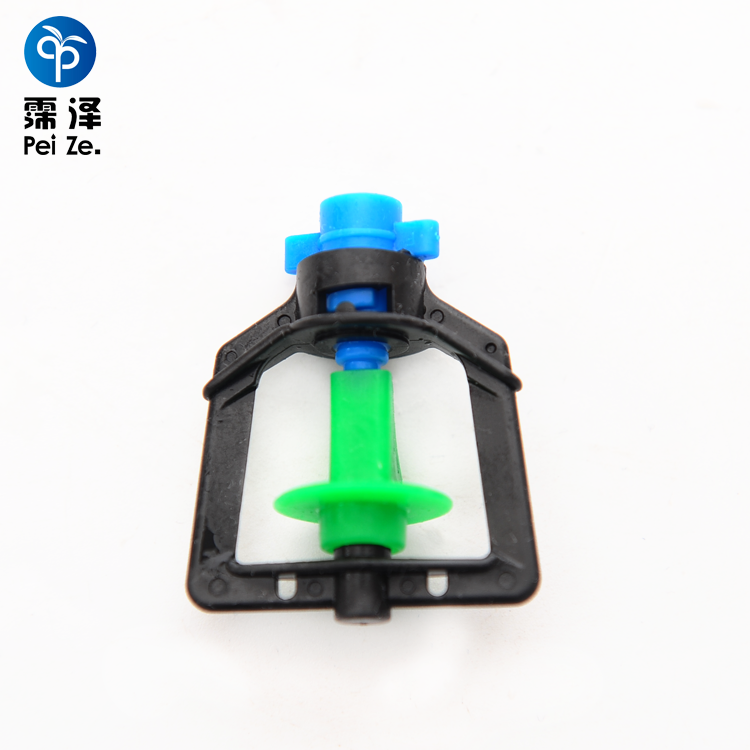
Precise design, precision manufacturing, and uniform spraying.
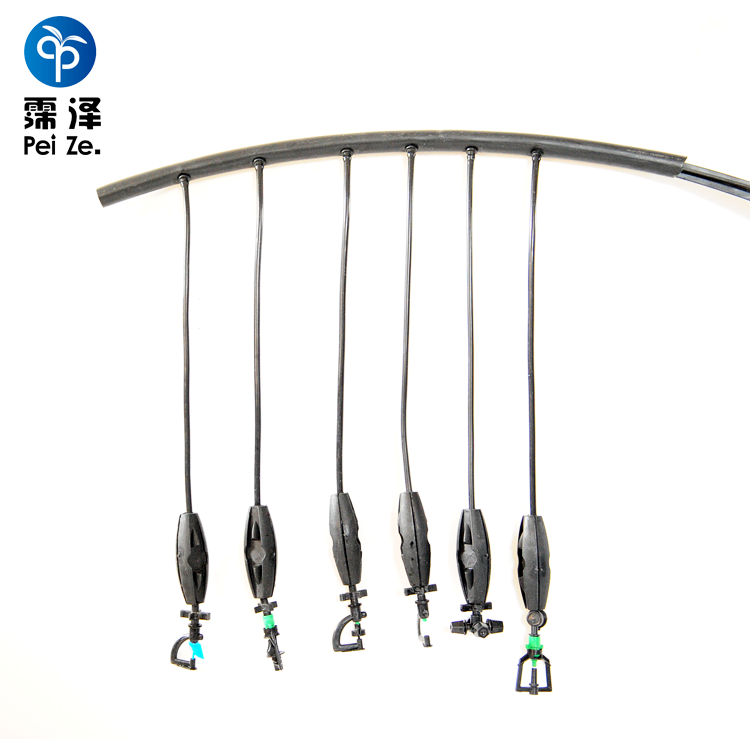
Hanging Micro-Sprinkler Assembly
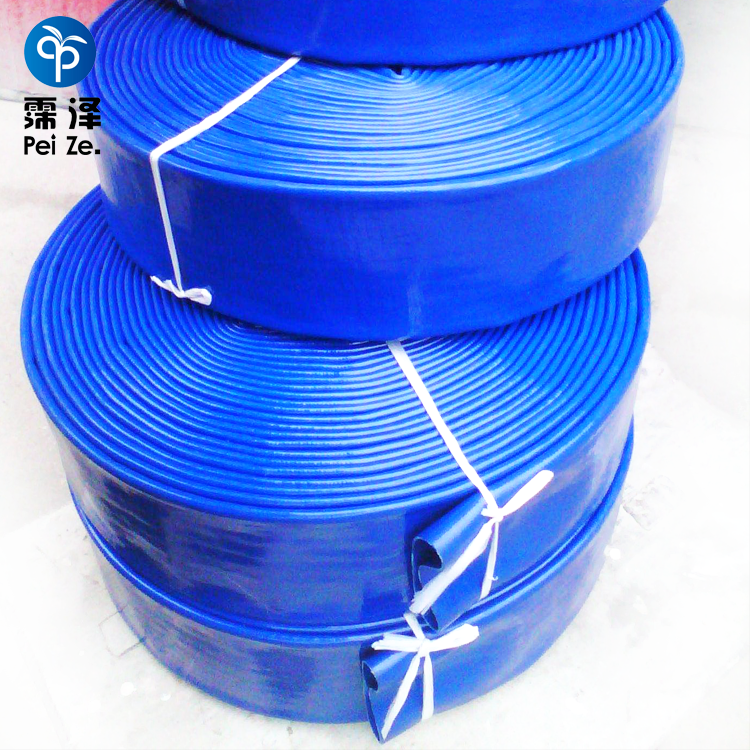
Sprinkler-coated plastic water hose


Contact Information
Email:1468828465@qq.com
QQ number: 1468828465
Phone:18348888811
Phone:0311-89271615
Website:www.hebeiruntian.com
Factory Address: Dasun Village, Luancheng District, Shijiazhuang City, Hebei Province

WeChat Official Account