-
About UsHebei Runtian Water-Saving Equipment Co., Ltd. is a specialized, modern enterprise that integrates research and development, manufacturing, sales, and engineering installation of plastic irrigation products.

-
ProductsOur main products include: lateral labyrinth drip irrigation tape, inline patch-type drip irrigation tape, inline cylindrical drip irrigation tubing, inter-tube drip irrigation tubing, a wide range of sprinkler and micro-sprinkler accessories, drip arrows, pressure-compensated drippers, turbulent-flow small-tube emitter drip irrigation systems, PE water supply pipes in various models and specifications along with corresponding pipe fittings, PVC underground water conveyance pipes and PVC pipe fittings, filters, fertigation equipment, and other water-saving irrigation products and equipment for greenhouse cultivation, field farming, and micro-drip and micro-sprinkler irrigation.
-
BlogWe look forward to sincere cooperation with you, backed by stable and reliable quality, prompt delivery times, and superior after-sales service.
-
Qualifications
-
Cases
-
Contact Us
How do drip irrigation pipe manufacturers address the issue of clogging in drip irrigation pipes?
Release Date:
2022-11-14
Drip irrigation tubing manufactured by specialized producers offers numerous advantages, including labor and water savings, reduced energy consumption, soil conservation, and increased yields and efficiency. As such, it has been vigorously promoted and applied in China in recent years as an advanced and practical technology.
Drip irrigation tubing manufactured by specialized producers offers numerous advantages, including labor and water savings, reduced energy consumption, protection of the soil environment, and increased crop yields and efficiency. As such, it has been vigorously promoted and applied across China in recent years as an advanced and practical technology. Serving as an effective means to achieve water-efficient agricultural irrigation, build a resource-conserving agriculture, and advance the development of a resource-saving rural society, drip irrigation tubing is experiencing strong growth nationwide. However, some users report that clogging is a common problem during operation, severely compromising system performance and even leading to complete system failure. The root cause lies in the stringent water-quality requirements imposed on drip-irrigation systems—particularly for integrated drip tubes—and in the fact that design flaws or improper operation can easily result in blockages. This issue warrants close attention and proactive mitigation.
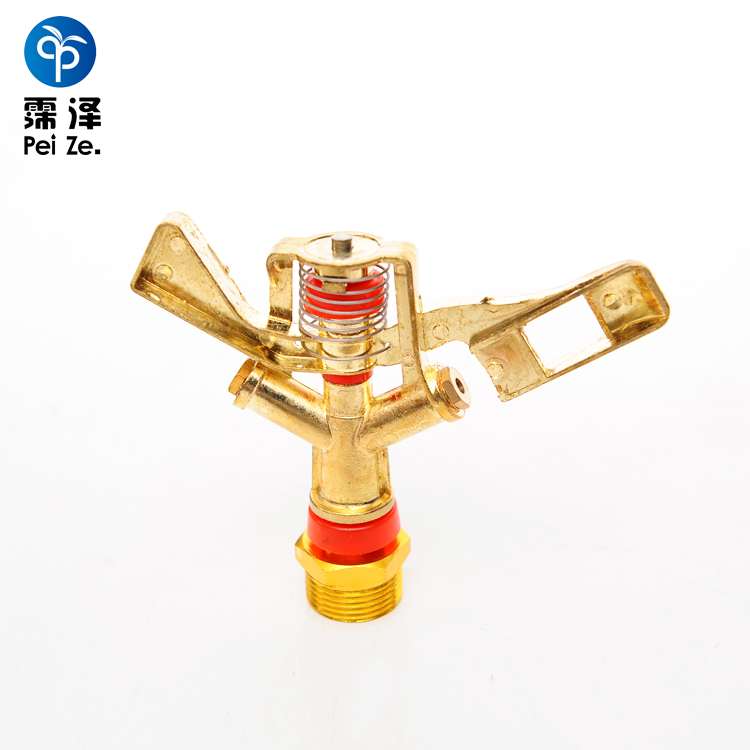
I. Analysis of the Causes of Drip Irrigation Pipe Clogging by Drip Irrigation Pipe Manufacturers
1. Physical clogging. This is the primary cause of drip-irrigation-tube blockage. Poor irrigation water quality and an inadequate filtration system allow silt, sand, and other debris to be pumped into the main lines and drip lines. As these materials pass through the tortuous flow passages of built-in drippers, they can obstruct the flow paths, preventing the drippers from delivering water.
2. Biological clogging. This occurs when crop roots penetrate the emitters of drip irrigation lines, or when algae and other microorganisms proliferate in the irrigation water, leading to blockage. The hydrotropic nature of crop roots and uneven irrigation practices can cause roots to grow toward the emitter openings and extend into them, resulting in clogging. Furthermore, if the irrigation water is rich in algae and other organisms, and the drip irrigation system is often integrated with fertigation while shading structures such as fertilizer tanks are inadequate, microbial growth can rapidly intensify, leading to biofilm formation on the inner walls of the drip lines and subsequent blockage.
3. Sedimentation and clogging. This is primarily caused by fertilizer application and water deposition. First, after fertilization, residual fertilizer—such as calcium sulfate—can settle and deposit within the drip irrigation tubing, leading to blockage of the emitters’ flow passages. Second, if the irrigation water is hard water with high carbonate content, prolonged use will result in increased scale buildup on the inner walls of the drip tubing, further obstructing the emitters.
II. Solutions and Usage Requirements from Drip Irrigation Pipe Manufacturers
1. Water pre-treatment for drip irrigation tubing from manufacturers. This is a highly cost-effective method for preventing clogging. The more rigorous the pre-treatment, the less physical clogging will occur. Depending on water quality and flow rate, three stages of wire-mesh trash screens should be installed at the pump inlet. The number of screens installed can vary from small to large, with mesh sizes ranging from 10 to 50, to trap suspended sand and debris. Alternatively, river water can be diverted into a reservoir, allowed to settle to remove sediment, and then stored under cover to block out light, thereby preventing the entry of foreign matter and the proliferation of algae.
2. Install the filtration system and drip irrigation tubing appropriately. First, based on the quality of the pre-treated water, a sand-and-gravel filter, a cartridge filter, a screen filter, or a combination filter should be installed for filtration; under normal circumstances, the filtered water will meet the water-quality standards required for drip irrigation tubing. If a low-flow mesh filter is installed downstream of the secondary filtration isolation valve, the drip irrigation system’s resistance to clogging can be significantly enhanced. When installing the drip irrigation tubing in the field, orient the emitters upward so that any minor particulates in the water settle at the bottom of the tubing, thereby preventing root intrusion into the emitter holes.
3. Flush drip irrigation tubing and clean filters on a regular schedule. When newly installed drip irrigation tubing is used for the first time, open the ball valve at the end of the tubing or the pipe tail and drain the system to flush out any debris. The tubing may only be put into service once all internal impurities have been thoroughly removed. In general, drip irrigation tubing should be flushed again after every five uses. Before filling the system with water, regularly inspect the filter, activate the filter’s backwash function to remove contaminants, and promptly clean accumulated debris from the filter element to prevent clogging. If the filter element is damaged, replace it without delay.
Keywords:
Recommended News
2026-04-08
How should hanging micro-sprinklers be properly installed to ensure optimal irrigation performance?
2026-03-29
How does irrigation technology using suspended micro-sprinklers improve crop water-use efficiency?
2026-03-19
The applications of ground-inserted micro-sprinklers are not limited to agricultural fields.
2026-03-09
How to Select the Right Underground Micro Sprinkler Nozzle to Enhance Irrigation Efficiency
2026-02-27
Share to


Contact Information
Email:1468828465@qq.com
QQ number: 1468828465
Phone:18348888811
Phone:0311-89271615
Website:www.hebeiruntian.com
Factory Address: Dasun Village, Luancheng District, Shijiazhuang City, Hebei Province

WeChat Official Account