
-
About UsHebei Runtian Water-Saving Equipment Co., Ltd. is a specialized, modern enterprise that integrates research and development, manufacturing, sales, and engineering installation of plastic irrigation products.

-
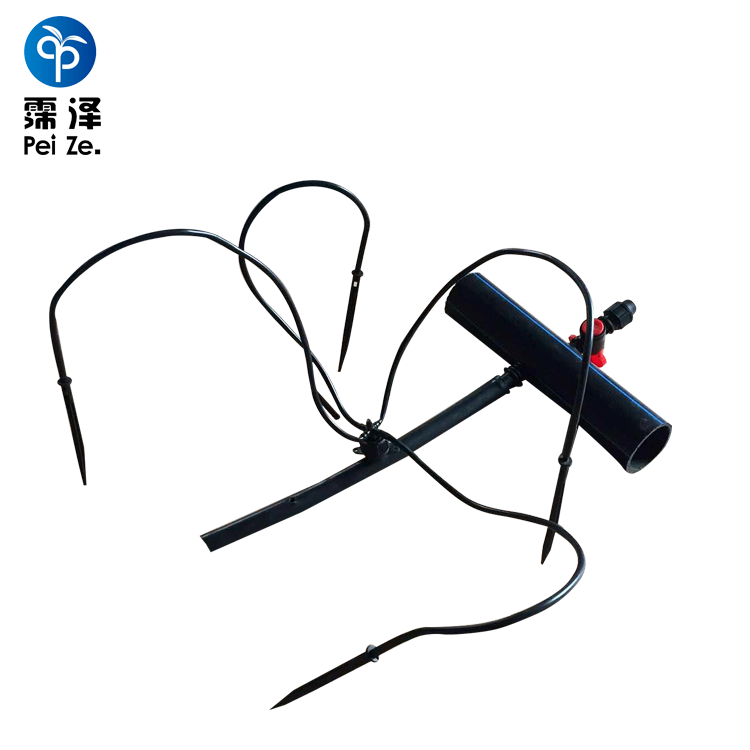
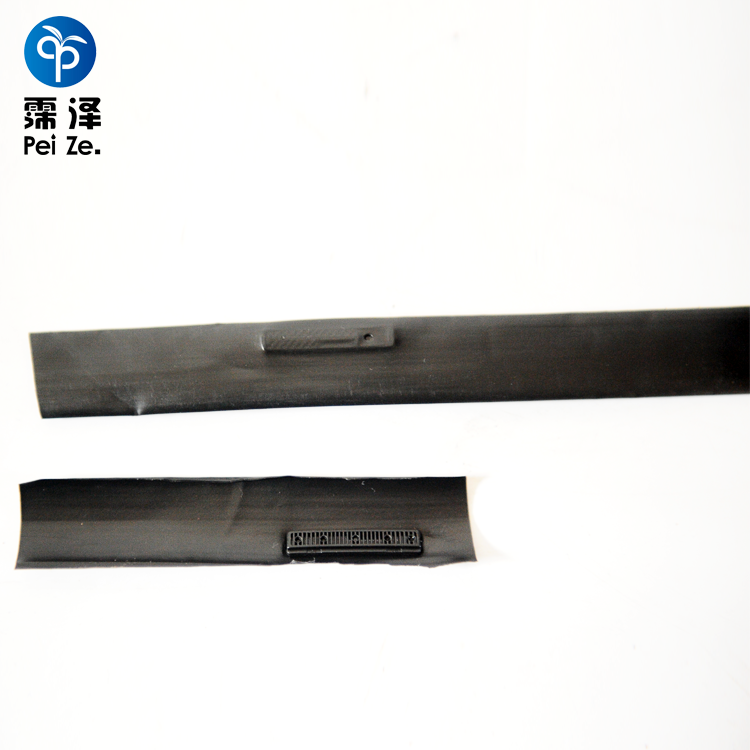
ProductsOur main products include: lateral labyrinth drip irrigation tape, inline patch-type drip irrigation tape, inline cylindrical drip irrigation tubing, inter-tube drip irrigation tubing, a wide range of sprinkler and micro-sprinkler accessories, drip arrows, pressure-compensated drippers, turbulent-flow small-tube emitter drip irrigation systems, PE water supply pipes in various models and specifications along with corresponding pipe fittings, PVC underground water conveyance pipes and PVC pipe fittings, filters, fertigation equipment, and other water-saving irrigation products and equipment for greenhouse cultivation, field farming, and micro-drip and micro-sprinkler irrigation.
-
BlogWe look forward to sincere cooperation with you, backed by stable and reliable quality, prompt delivery times, and superior after-sales service.
-
Qualifications
-
Cases
-
Contact Us
Product Center
Contact Us
Email:1468828465@qq.com
QQ number: 1468828465
Phone:18348888811
Phone:0311-89271615
Website:www.hebeiruntian.com
Factory Address: Dasun Village, Luancheng District, Shijiazhuang City, Hebei Province
Fertilizer tank, fertilizer valve
Keywords:
Category:
- Product Description
-
Fertilizer Tanks and Fertilizer Valves: Key Components in Agricultural Irrigation
In modern agricultural irrigation systems, fertilizer tanks and fertilizer valves are indispensable components. Their role extends beyond merely injecting fertilizer into the irrigation water; they are critical in ensuring balanced nutrient supply to crops, thereby enhancing both yield and quality.
I. Fertilizer Tank
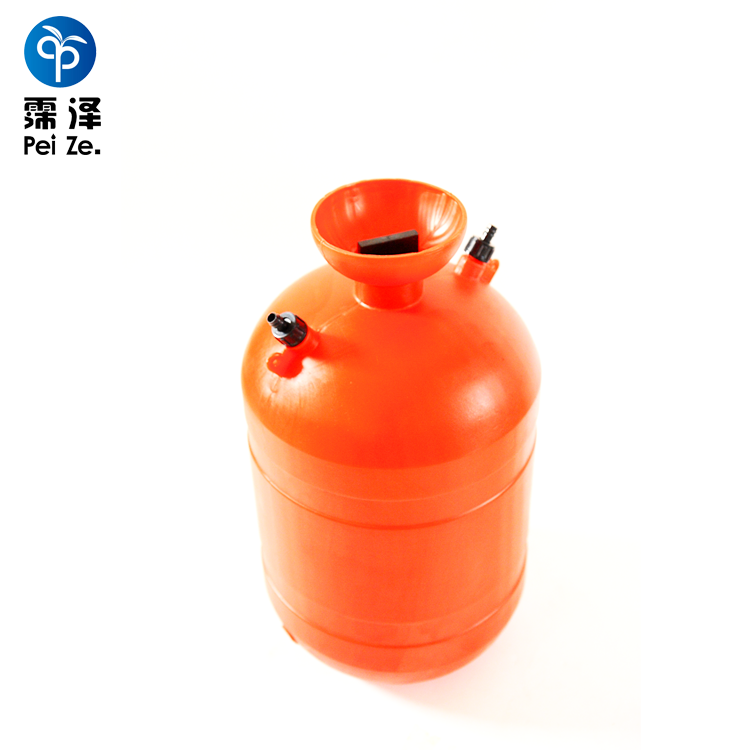
As the name suggests, a fertilizer tank is a critical container used for storing and blending fertilizers. In irrigation systems, fertilizers are mixed with irrigation water in the fertilizer tank, ensuring that every drop of irrigation water contains the appropriate nutrient levels. The design of the fertilizer tank takes into account various factors, such as the type and concentration of the fertilizer and the flow rate of the irrigation water, to guarantee uniform mixing. In addition, the fertilizer tank helps control the amount of fertilizer applied, minimizing waste and reducing environmental impact.
II. Fertilization Valve
The fertilizer injection valve is a critical piece of equipment for controlling the delivery of fertilizers into the irrigation system. It allows for precise adjustment of the fertilizer flow rate, ensuring that fertilizers are added to the irrigation water at the desired ratio and application rate throughout the irrigation process. This fine-tuning capability ensures that crops receive the optimal nutrient supply, thereby preventing growth impairment caused by over-fertilization or nutrient deficiency.
III. The Combination of the Two
Fertilizer tanks and fertilizer valves together constitute the fertilization system in agricultural irrigation. By precisely controlling the amount and ratio of fertilizer applied, this system ensures that crops receive a balanced supply of nutrients. This not only enhances crop yield and quality but also helps protect soil and the environment, thereby promoting sustainable agricultural development.
IV. Applications and Advantages
In modern agriculture, the widespread use of fertilizer tanks and fertilizer valves has brought numerous benefits. They not only enhance the efficiency and accuracy of fertilization but also reduce the complexity and cost of manual operations. Moreover, by precisely controlling the application rate and formulation of fertilizers, they help minimize fertilizer waste and environmental pollution.
In summary, fertilizer tanks and fertilizer valves play a crucial role in agricultural irrigation systems. They achieve precise control over fertilizer application by
Product Inquiry
Related products
Inlaid-clip drip irrigation tape
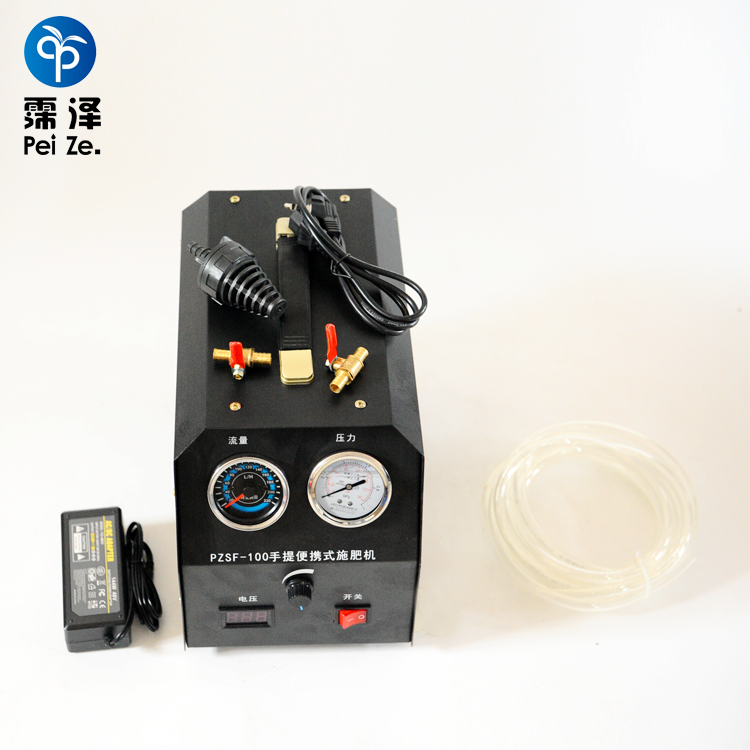
Portable fertilizer applicator


Contact Information
Email:1468828465@qq.com
QQ number: 1468828465
Phone:18348888811
Phone:0311-89271615
Website:www.hebeiruntian.com
Factory Address: Dasun Village, Luancheng District, Shijiazhuang City, Hebei Province

WeChat Official Account